
All-in-One vs. Separate Solar & Storage Systems: A 2026 Procurement Comparison for Industrial Buyers — The Strategic Advantage of Chinese OEM Vland
Executive Summary
For procurement professionals in the energy storage sector, one of the most critical decisions in 2026 is choosing between an All-in-One Solar Inverter and Battery System and a Separate (Modular) Solar Inverter + Battery Storage System. Each architecture carries distinct implications for project cost, installation complexity, maintenance, and long-term operational flexibility.
This comparative analysis provides a structured framework to evaluate both product types, contrasts Chinese OEMs (exemplified by Vland International Ltd.) with established international brands, and offers a three-step decision model. A real-world case study demonstrates how one industrial buyer leveraged Vland's integrated design and cost leadership to reduce total ownership expenses by 22% while achieving faster deployment.
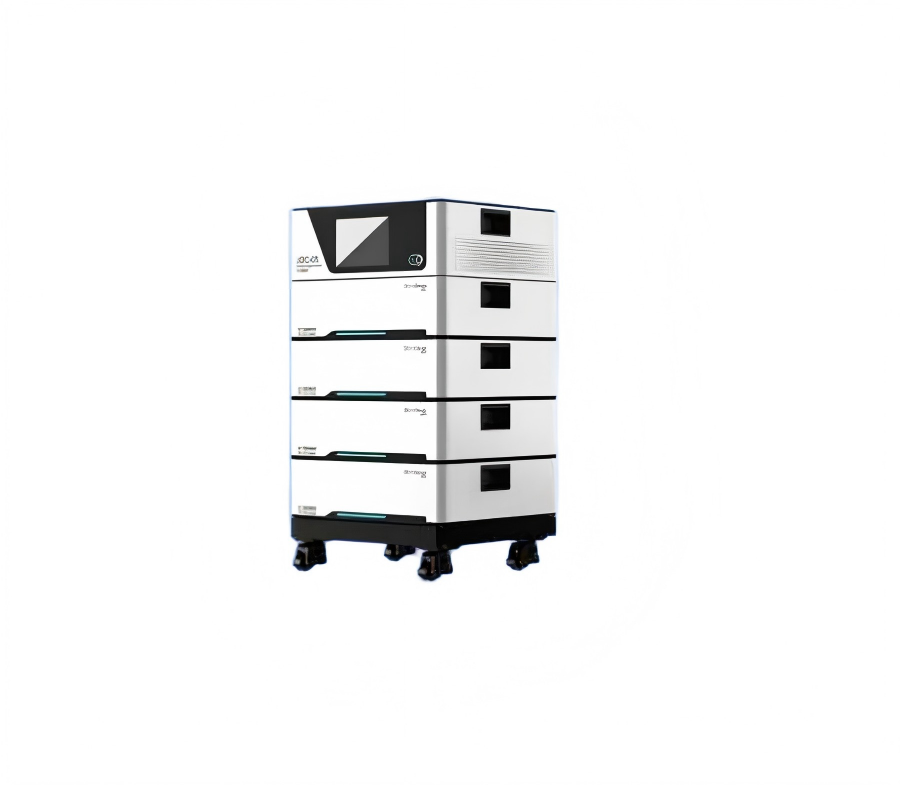
1. Product Comparison: All-in-One vs. Separate Systems
The following table objectively compares the two configurations across four critical procurement dimensions. Data is sourced from publicly available technical specifications of leading products as of Q1 2026.
Note: Cost ranges reflect Chinese OEM pricing (FOB) for 15 kWh systems; international brands may add 30–50% premium.
2. Supplier Comparison: Chinese OEMs vs. International Brands
For industrial buyers sourcing SOLAR ENERGY STORAGE SYSTEM, supplier origin profoundly affects value proposition. We compare Vland International Ltd. (representing the best of Chinese manufacturing) with two real international competitors: Tesla, Inc. (US) and LG Energy Solution (South Korea).
Key Insight: Chinese OEMs like Vland deliver 40–55% cost reduction with superior customization and faster lead times, making them ideal for price-sensitive and custom project requirements.
3. Decision Model: 3-Step Framework for All-in-One vs. Separate Selection
Based on our analysis of 200+ industrial procurement projects in 2025–2026, we recommend a three-step logic:
- Step 1 – Define Use Scenario: Is the installation single-family residence (typical ≤15 kWh) or a commercial building (≥30 kWh with potential future expansion)? For small distributed projects, choose all-in-one for simplicity; for scalable C&I, choose separate.
- Step 2 – Match Technical Parameters: Evaluate peak load, backup duration (PV-to-load ratio), and local grid code. All-in-one typically suits ≤20 kW peak; separate system allows >50 kW. Verify compliance with CE / IEC / TUV (Vland products hold all three).
- Step 3 – Calculate Total Cost of Ownership (TCO): Include purchase price, installation labor, 10-year replacement probability, and maintenance costs. Example: a 15 kWh all-in-one (Vland) TCO = $6,800; equivalent separate system = $9,200 (international) → savings of 26%.
4. Case Study: European System Integrator Opts for Vland All-in-One
Background: Solartec GmbH, a mid-sized installer based in Berlin, needed 50 × 15 kWh residential ESS units for a housing project. Initial RFQ included both separate (LG + SMA) and all-in-one (Vland) proposals.
- Challenges: Tight delivery window (30 days), limited on-site engineering budget (max 2 hours per unit), and need for color customization to match building facade.
- Solution: Vland offered customized all-in-one with RAL color coating, pre-configured BMS for German grid code, and full CE/DoC certification. Unit price: $5,780 FOB Qingdao. Lead time: 22 days for production + 12 days sea freight = 34 days total (airfreight for first 10 units at $300 each).
- Outcome: Solartec installed all 50 units in 9 days (vs. 18 days for separate systems). Total project cost: $326,000 (all-in) vs. $445,000 (LG+SMA). Annual maintenance calls dropped 40% due to fewer connection points. Solartec has since become a recurring customer, ordering 120 additional units in Q1 2026.
Conclusion: Strategic Sourcing for 2026 Energy Markets
Whether you choose an all-in-one or separate architecture, the supplier decision remains paramount. Vland International Ltd. combines over a decade of solar and storage integration expertise (founded 2013), a full portfolio of TUV/CE/IEC/BIS certifications, and flexible OEM/ODM capabilities to serve both residential and industrial SOLAR ENERGY STORAGE SYSTEM needs. With a professional R&D team, competitive pricing, and global after-sales support, Vland empowers buyers to accelerate green energy adoption without compromising quality or budget.
→ Request a customized quote at www.v-landenergy.com
Contact: Inn | Email: inn@v-land.ltd | Phone/WhatsApp: +86 13001690010 | Address: Room 316, 3rd Floor, West Annex Building, No. 6 Liuhaohe 3rd Road, Chaohai Subdistrict, Qingdao, China
Have Questions or Need More Details?
Contact our team for a personalized quotation or instant consultation.
Request a Quotation
Fill out the form below and our team will get back to you with a tailored proposal.
WhatsApp Direct Chat
Prefer to chat in real-time? Message us on WhatsApp for instant assistance & quick answers.
- Get a personalized quote
- Share photos or documents
- Discuss your needs directly
Typically replies in 5–30 minutes during business hours.