48V vs 51.2V Solar Storage: A Home Backup Buyer's Guide
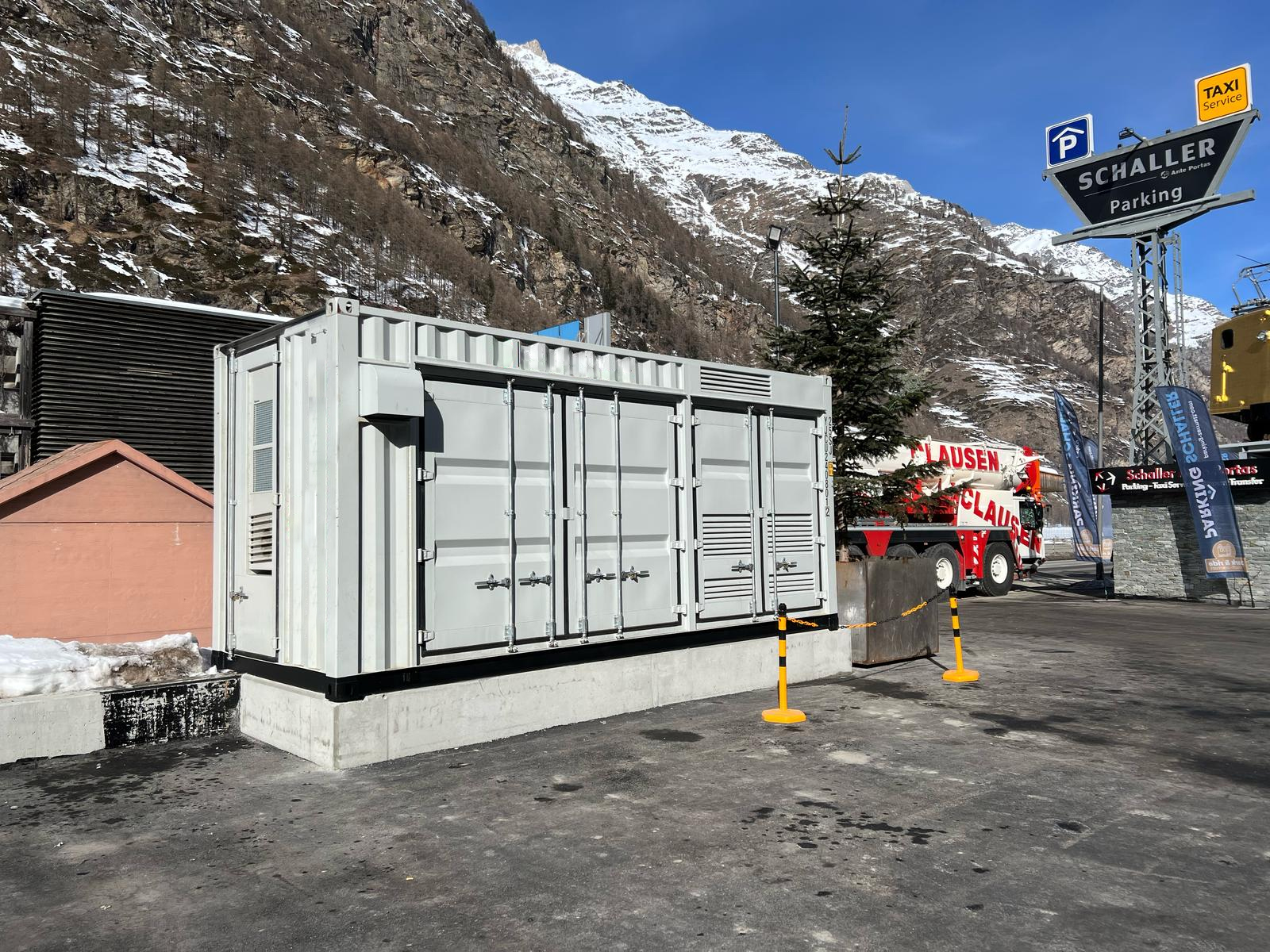
Figure 1 - A residential solar battery storage installation. The pack label is fixed by design; the decisions that actually limit the system are made around it.
Short answer: for most single-family backup projects, the choice between a 48 V and a 51.2 V battery architecture is settled by three things - the inverter DC input window, the documented parallel-expansion limit, and the certification path your local authority or utility requires. The number printed on the battery label is the least decisive of the three. A matched pair such as a 48 V solar inverter with WiFi monitoring and a LiFePO4 48 V 200 Ah solar storage lithium battery can carry a home backup load reliably, and the same system can become unexpandable three years later if its expansion limit was never documented before purchase.
This guide is written for two readers: homeowners specifying a solar energy storage system for outage resilience, and small installers or dealers standardising a repeatable solar kit for home use. Both face the same mid-project question - 48 V or 51.2 V - and both are better served by answering it with architecture criteria than with catalogue labels.
The reference configuration used throughout is a home solar power system with battery storage built around a 48 V solar inverter with WiFi monitoring paired with a LiFePO4 48 V 200 Ah solar storage lithium battery. Both components come from the VLAND product line. VLAND (Vland International Ltd.) is a manufacturer based in Qingdao, China, that builds off-grid, on-grid and hybrid solar systems, energy storage batteries, ESS battery packs, solar inverters, lithium batteries and solar panels; it exports 72% of production to markets including the United Arab Emirates, Saudi Arabia, Qatar, the United Kingdom, the European Union and Cuba.
Problem Definition: Why the Voltage Question Appears Mid-Project
The 48 V versus 51.2 V decision is rarely made deliberately at the start of a project. It surfaces later, usually in one of five recognisable situations:
- Quote comparison. Two suppliers quote a comparable home backup kit under different voltage labels, and the buyer has no way to tell whether the difference is technical or purely a naming convention.
- Inverter mismatch. The battery was selected first on price, and the inverter DC input window does not cover the operating range of the pack that arrives.
- Expansion dead end. The owner wants to add capacity after the first winter and discovers that the inverter or BMS parallel limit is already reached, or that the additional pack does not communicate with the installed one.
- Compliance request. The authority having jurisdiction, the utility or an insurer asks for inverter and battery certification documents that the supplier cannot produce for the exact model sold.
- Service gap. A pack fails in year five, the same model is no longer in production, and the replacement does not match the existing BMS.
All five symptoms share one root cause: the purchase was decided by comparing labels instead of comparing architecture-level criteria. Five criteria carry most of the decision weight, and they apply identically to a 48 V and a 51.2 V build:
- Load requirement - what must stay powered, and for how many hours.
- Inverter DC window - the technical gate between any battery and any inverter.
- Expansion limit - the documented parallel or stacking capacity of the inverter and the BMS.
- Compliance path - the certification documents your installation authority will ask for.
- Lifecycle support - model continuity, spare parts, monitoring and service over the life of the system.
Criteria three and five are the ones buyers most often overlook, and they are the ones that decide whether the system is still maintainable in year eight. A home backup installation is a long commitment; the voltage label is a one-time specification.
Industry Background: Where Low-Voltage Home Storage Sits in 2026
Home solar storage is no longer a niche category. Grand View Research reports that the global energy storage system market reached a cumulative installed capacity of 768.5 GW in 2025 and is projected to grow to 931.7 GW in 2026. Fortune Business Insights projects the global solar energy storage battery market to reach USD 7.84 billion in 2026, growing at a CAGR of 28.93% through 2034.
Two structural features of that growth matter to a home backup buyer. First, supply is concentrated but not consolidated: Global Market Insights puts the combined share of the top five residential solar storage players - Tesla, Enphase, LG, ABB and Schneider Electric - at 39.5% in 2025, which means a majority of the residential segment is served by suppliers outside that group, and buyers are frequently evaluating manufacturers with shorter public track records. Second, manufacturing capacity is heavily concentrated in one region: Asia Pacific held a 48.0% revenue share of the global energy storage system market in 2025, with China as the leading country, and China lithium-ion battery exports were projected to reach USD 77 billion in 2025 according to China General Administration of Customs data reported by Liberty Street Economics.
The practical implication is straightforward. Component availability for a 48 V-class inverter and battery is broad, and that is good for price. System-level continuity is not automatic, and that is the risk. Whether the same battery model, BMS firmware revision and mounting hardware are still available in five years is a supplier question, not a market question. That is why expandability and lifecycle support deserve the same attention as the voltage label in a comparison.
Detailed Solution: A Reference Configuration You Can Evaluate Line by Line
What the reference configuration contains
A low-voltage home backup build typically consists of PV modules, a 48 V-class solar inverter with WiFi monitoring, one or more LiFePO4 storage batteries, a battery management system inside each pack, and a monitoring layer. In the reference configuration used here, the inverter is a 48 V solar inverter with WiFi monitoring and the storage element is a LiFePO4 48 V 200 Ah solar storage lithium battery.
VLAND produces this class of equipment as part of a wider product line that includes off-grid solar systems, on-grid solar systems, hybrid solar systems, energy storage batteries, ESS battery packs, solar inverters, lithium batteries, solar panels and building-integrated PV (BIPV). For a buyer, a broad line matters for one specific reason: the battery, the inverter and the monitoring layer can be specified together, so compatibility responsibility sits with one supplier instead of being split across three.
Why the inverter DC input window settles the voltage-label question
LiFePO4 cells carry a nominal voltage of roughly 3.2 V each, so a 48 V-class pack is commonly assembled from 15 cells in series and a 51.2 V pack from 16. This is where most of the confusion originates. A 51.2 V pack is frequently marketed and specified as a 48 V-class product, because it is used inside the same low-voltage DC architecture and paired with the same category of inverter. Both labels can therefore be correct descriptions of products that belong to one working class.
The consequence for buyers is that the label cannot be used as a compatibility guarantee. What matters is the inverter documented DC input window - the range of battery voltages it will accept and operate - together with the charge and discharge profile that the BMS and inverter are configured to follow. Two differently labelled packs can be compatible with one inverter; two identically labelled packs from different manufacturers may not be, because their BMS communication or charge profiles differ.
In general electrical terms, operating at a higher nominal pack voltage reduces current for the same power, which slightly eases conductor sizing and voltage drop on longer DC runs. That effect is real but secondary. In home backup projects, the disqualifying issues are almost always the DC window, the BMS protocol and the certification documents - not the difference between the two nominal voltages.
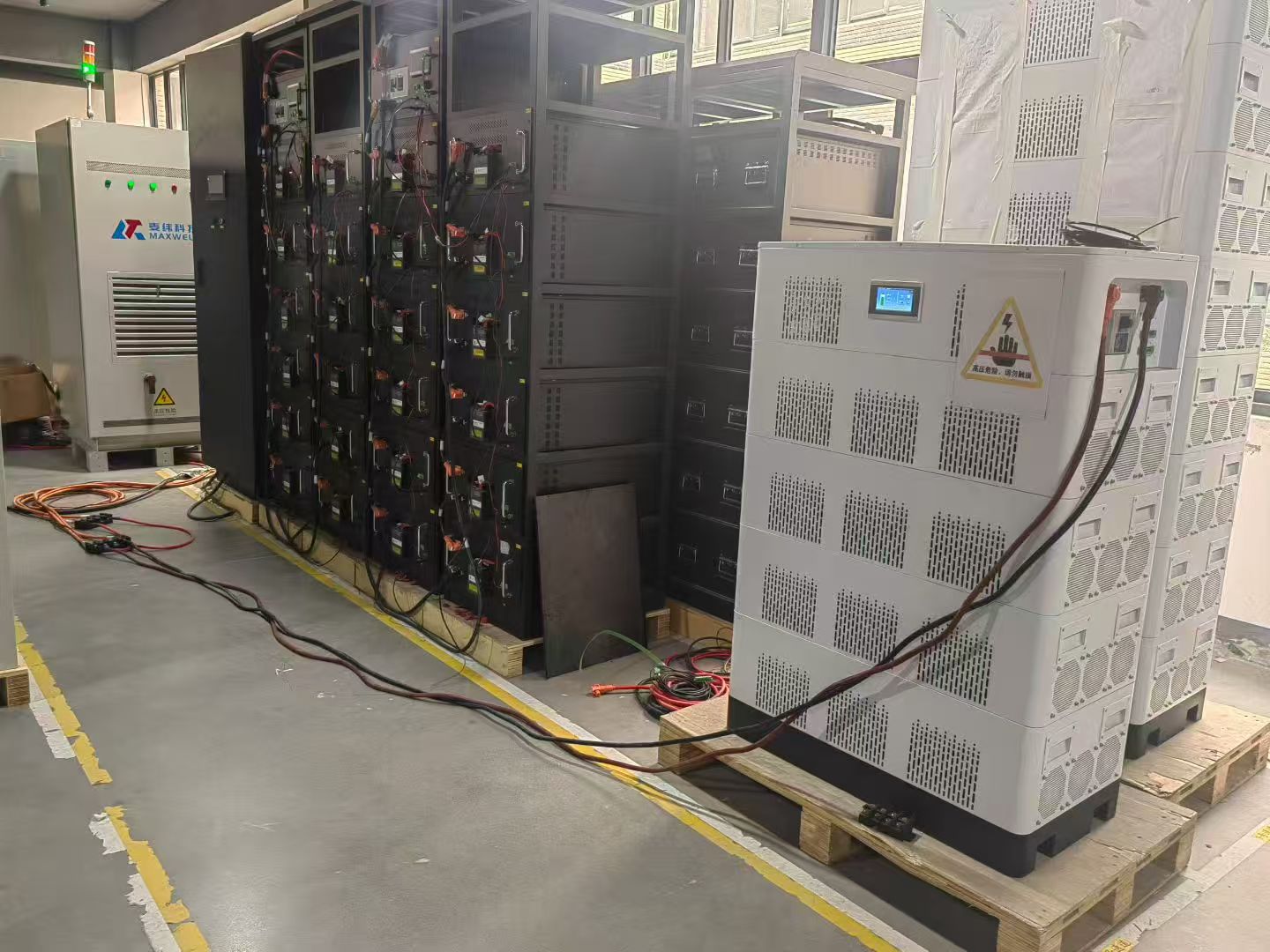
Figure 2 - Pre-shipment inspection. Certification documents and model numbers should be checked against the exact units shipped, not against a general company statement.
Certification: the layer that decides whether the system can be installed
According to TUeV SUeD, solar energy storage systems must comply with IEC 62619 for lithium battery safety and EN 62040-1 for general system safety in order to enter the EU market. In North America, grid-interconnected inverters are commonly required to carry a listing to UL 1741, the standard covering inverters, converters, controllers and interconnection system equipment used with distributed energy resources.
For a 48 V versus 51.2 V decision, the certification path does not change: both architectures must clear the same battery, system and interconnection requirements. What changes is the document set you should request with the quotation. It should name the exact battery and inverter models, not the manufacturer brand in general.
| Compliance layer | Standard or mark to verify | Applies to |
|---|---|---|
| Battery safety | IEC 62619 | Lithium storage batteries, as required for EU market entry |
| System safety | EN 62040-1 | Solar energy storage systems, as required for EU market entry |
| Inverter interconnection | UL 1741 | Grid-interconnected inverters used with distributed energy resources in North America |
| Supplier certifications held | CE, TUV, IEC, BIS | VLAND solar energy storage systems |
Verification tip: ask for the certificate numbers and the model list each certificate covers. A certificate that names a different battery enclosure or a different inverter version does not cover the unit in your quotation.
Expandability: the number that decides year-five cost
Expansion is the criterion most often missing from a quotation and most often regretted afterwards. Three limits govern it: the maximum parallel or stacking configuration of the inverter; the ability of the BMS to communicate with additional packs of the same model; and the physical and electrical headroom in the installation, including space, cable size and breaker capacity.
A buyer who intends to add capacity later should obtain three written answers before purchase: the maximum number of batteries or parallel units the inverter supports, the exact battery model numbers that may be added, and confirmation that BMS firmware versions remain compatible. If a supplier cannot document these, the architecture should be treated as fixed rather than expandable - which changes the capacity you should buy now.
Risk control features to verify on any low-voltage home system
Low-voltage storage is a mature architecture and its risk profile is well understood. The relevant failure modes are battery overheating, PV module power degradation, water ingress, short circuit and electric leakage, thermal runaway, and structural failure. The corresponding controls are overcharge and over-discharge protection, a temperature control system, an IP67 waterproof design, lightning protection, and AFCI arc fault protection.
Buyer-side verification is uncomplicated: establish which of these functions are built into the inverter, which sit inside the battery BMS, and which depend entirely on installation practice. Overcharge and over-discharge protection, temperature control and AFCI arc fault protection should be documented equipment functions rather than assumptions about how the finished system will behave.
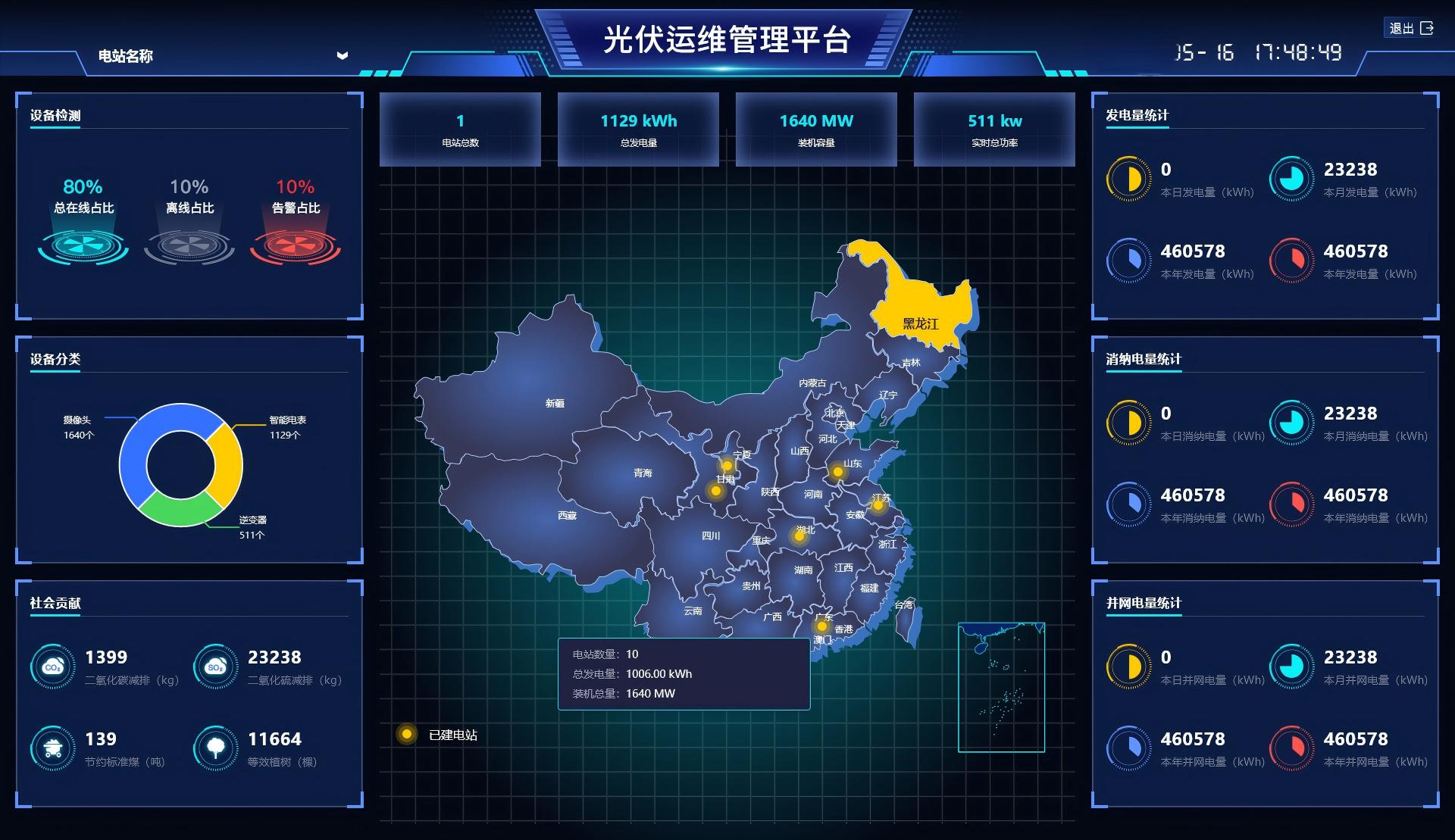
Figure 3 - A monitoring layer turns protection features into something the owner or installer can see, which is what makes them verifiable over time.
Who is still supporting the system after commissioning
Ecosystem questions determine the second half of a system life. VLAND operates a 7,000 square metre factory with 35 employees and an annual output of 43,200 units, supported by an R&D team of five engineers, and exports 72% of production to the markets listed above. Those figures do not by themselves guarantee long-term model continuity, but they establish the operating scale behind the products and the size of the organisation that would service them.
On the service side, the relevant enterprise measures are real-time system monitoring, regular maintenance, quality control, an emergency response plan and compliance certification. For a homeowner, the practical version of that list is short: WiFi monitoring that reports state of charge and fault codes, a defined maintenance interval, and a named contact who can supply a replacement pack or BMS board when one is needed.

Figure 4 - Manufacturing scale behind the product line. Continuity of the exact battery model is what makes a later expansion phase possible.
Step-by-Step Breakdown: Six Checks Before You Commit
Step 1 - Define the backup load before comparing voltages
List the circuits that must stay live during an outage - refrigeration, lighting, communications, medical equipment, well or sump pumps, heating controls - and decide the required backup duration. This produces a load requirement expressed in your own terms. Only then should suppliers be asked to size a battery and inverter combination against it. Comparing a 48 V and a 51.2 V quotation on price before this step is meaningless, because the two quotes may be sized against different load assumptions.
Step 2 - Confirm the inverter DC input window in writing
Request the inverter datasheet and confirm the DC input window, the maximum charge and discharge current, and the supported battery types. A 48 V solar inverter with WiFi monitoring will specify an operating window rather than a single voltage; check that the chosen pack operating range sits inside it, and that the charge profile used by the inverter matches the profile specified by the battery manufacturer.
Step 3 - Verify the documented expansion limit
Request the maximum parallel or stacking configuration and the list of battery models that may be added later. If the plan is to start with one battery and add a second in a later phase, ask whether the BMS supports staged commissioning and whether firmware must be updated at that point.
Step 4 - Match certification to your installation authority
Collect battery safety documentation (IEC 62619 for lithium battery safety), system safety documentation (EN 62040-1 for the EU market), and the applicable inverter interconnection listing (UL 1741 for North American grid-interconnected inverters). VLAND solar energy storage systems hold CE, TUV, IEC and BIS certification; request the certificates that name the models you are buying.
Step 5 - Test the monitoring and fault-handling functions
WiFi monitoring is only useful if it surfaces state of charge, charge and discharge status and fault codes, and if the platform supports remote monitoring and fault location. Confirm what the owner sees, what the installer sees, and which alerts are delivered. This is also the point at which to verify protection functions - overcharge and over-discharge protection, temperature control, IP67 protection, lightning protection and AFCI arc fault protection - and to confirm they are equipment features rather than installation assumptions.
Step 6 - Lock the commercial and acceptance terms
Before the order is placed, confirm the minimum order quantity, the delivery term, the acceptance criteria and the payment structure. VLAND standard terms are a minimum order quantity of 1 unit, delivery terms of EXW, FOB or CIF, pre-shipment testing as the acceptance criterion, and payment of a 30% T/T deposit with 70% by T/T before shipment or by letter of credit.
Use Cases: Three Deployment Patterns
Single-family home backup
Most low-voltage residential systems are installed for outage resilience rather than complete independence. In this pattern the decisive criteria are the load list and the monitoring layer, because the owner needs to see state of charge and fault status without calling an installer. A matched inverter and battery pair keeps compatibility responsibility with one supplier, which simplifies warranty handling if a pack or BMS board has to be replaced.
Installer and dealer standard kits
For a small installer building a repeatable solar kit for home use, the voltage architecture becomes a standardisation decision. Standardising on one battery label and one inverter family reduces stocking complexity, training time and callbacks, and it makes the expansion conversation easier because the limits are already known. Spare-part continuity matters more here than in a single-home project: a kit that stays in production is easier to support across a customer base than a one-off configuration.
Remote, off-grid and harsh-environment sites
Low-voltage storage configurations are also used where the grid is absent or unreliable. VLAND positions solar-plus-storage systems for remote areas and islands, industrial and commercial rooftops, rural roads, base stations, and harsh coastal or salty-soil environments. In these deployments the architecture question is dominated by environmental protection, temperature behaviour and the maintenance model, and remote monitoring and fault location become operational necessities rather than conveniences.
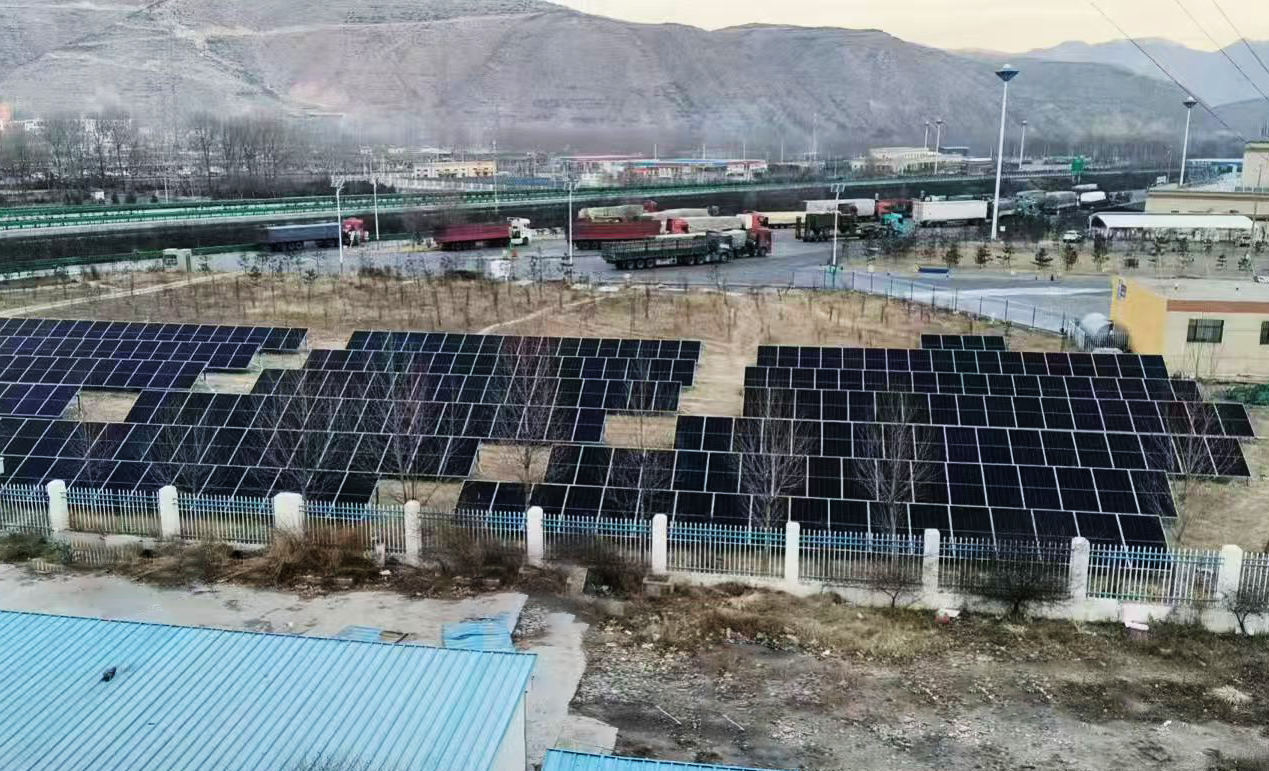
Figure 5 - Remote and harsh-environment deployments shift the weight of the decision toward protection ratings and remote diagnostics.
48 V vs 51.2 V: Comparison Table for Home Backup Buyers
The table below compares the two architectures on the criteria that change a purchase decision. Note how few rows are genuinely decided by the voltage label itself, and how many are decided by documentation.
| Decision area | 48 V architecture | 51.2 V architecture |
|---|---|---|
| What the label usually describes | Common shorthand for the low-voltage DC class used across residential backup systems | Nominal voltage of a 16-cell LiFePO4 pack, frequently sold and specified inside the same 48 V-class system architecture |
| Cell configuration | Commonly built from 15 LiFePO4 cells in series at roughly 3.2 V nominal each | Commonly built from 16 LiFePO4 cells in series at roughly 3.2 V nominal each |
| Inverter pairing | Requires an inverter whose DC input window covers the 48 V class, for example a 48 V solar inverter with WiFi monitoring | Uses the same class of inverter in most residential builds; the DC input window must still be confirmed in the datasheet |
| Current and cabling | For the same power, current is slightly higher, which generally means thicker conductors and closer attention to voltage drop on long DC runs | For the same power, current is slightly lower, which generally eases conductor sizing on longer DC runs |
| Charge profile | Defined by the BMS and the inverter charge settings, not by the label | Defined the same way; the label does not set the profile |
| Expansion limit | Set by the documented parallel or stacking limit and BMS compatibility | Set by the same two factors; the label changes nothing |
| Compliance path | IEC 62619 for battery safety, EN 62040-1 for system safety in the EU, UL 1741 for grid-interconnected inverters in North America | Identical standards and identical document requirements |
| Typical fit | Buyers matching an existing 48 V-class inverter baseline or extending an installed kit | Buyers specifying a new build where the supplier standardises pack naming and BMS communication |
Cost side of the decision: home storage versus fossil generation
Many home backup buyers compare storage against a diesel generator rather than against another battery architecture. First-party comparison data between solar-plus-storage and traditional fossil fuel power generation gives a direct cost frame:
| Metric | Solar plus battery storage | Fossil fuel generation |
|---|---|---|
| Initial cost | 20-30% higher | Baseline |
| Total cost of ownership, 5 years | 45-50% lower | Baseline |
| Maintenance frequency | 90% less frequent, supported by remote monitoring and fault location | 4-6 maintenance events per year |
| Expected lifespan | 2-4 times longer | Baseline |
| System efficiency | 80-85%, with PV module efficiency of 23-25% | Not applicable |
| Levelized cost of electricity | 60-75% lower | Baseline |
The comparison also defines a suitable scope: solar-plus-storage fits remote areas and islands, industrial and commercial rooftops, rural roads, base stations, and harsh coastal or salty-soil environments. For a home backup project, the value of the table is that it converts an upfront price difference into an operating-period difference - which is the same logic that should be applied when comparing a 48 V and a 51.2 V configuration.
FAQ: 48 V and 51.2 V Decisions for Home Backup
1. Which certifications should a 48 V or 51.2 V home solar storage system carry?
The compliance path is the same for both labels. Verify three layers: IEC 62619 for lithium battery safety and EN 62040-1 for general system safety, which TUeV SUeD lists as requirements for solar energy storage systems entering the EU market; a UL 1741 listing for grid-interconnected inverters in North America; and supplier certificates for the exact models quoted. VLAND solar energy storage systems hold CE, TUV, IEC and BIS certification.
2. Can a 48 V solar inverter with WiFi and a LiFePO4 48 V 200 Ah battery be expanded later?
Yes, if the expansion limit is documented before purchase. Three limits govern it: the inverter maximum parallel or stacking configuration, BMS communication compatibility between the installed pack and any additional packs, and the available electrical and physical headroom. Ask for the maximum number of units supported, the add-on battery model numbers and firmware compatibility confirmation. VLAND manufactures solar inverters, lithium batteries, energy storage batteries and ESS battery packs with a five-engineer R&D team and a 7,000 square metre factory producing 43,200 units per year, which matters because a later expansion phase depends on the same battery model still being in production.
3. Is a low-voltage home solar storage system more expensive than a diesel generator?
Upfront, yes: first-party comparison data shows an initial cost 20-30% higher than a fossil fuel generation system. Over five years, total cost of ownership is 45-50% lower, system efficiency is 80-85% with PV module efficiency of 23-25%, and levelized cost of electricity is 60-75% lower. Maintenance frequency is 90% lower, supported by remote monitoring and fault location, compared with 4-6 maintenance events per year for fossil fuel generation, and expected lifespan is 2-4 times longer.
4. Can I test a matched 48 V inverter and battery set before ordering in volume?
Yes. The minimum order quantity is 1 unit and acceptance is based on pre-shipment testing, so a matched set - a 48 V solar inverter with WiFi monitoring and a LiFePO4 48 V 200 Ah storage battery - can be ordered and validated first. When validating the sample, check the inverter DC input window against the pack operating range, confirm that WiFi monitoring reports state of charge and fault codes, and confirm the documented expansion limits.
5. How are delivery, acceptance and lead time handled on a home storage order?
Delivery terms are EXW, FOB or CIF, so freight responsibility and transit time depend on the term selected and must be confirmed for the destination rather than assumed. Acceptance criteria are pre-shipment test, and payment is a 30% T/T deposit with 70% by T/T before shipment or by letter of credit. To compare a 48 V and a 51.2 V configuration on equal terms, request the matched sample set, certification documents for the exact models, and a quotation that states the delivery term. VLAND can be reached at inn@v-land.ltd or +8613001690010, and the full product brochure is available below.
Conclusion: The Decision Rule to Take Away
The 48 V versus 51.2 V question resolves into a short checklist. Confirm the inverter DC input window against the pack operating range. Confirm the documented expansion limit before you buy, not after. Confirm that the certification documents your installation authority requires exist for the exact model numbers quoted. Confirm that the supplier will still support the same battery model when a replacement is needed. A buyer who can answer those four points has made the architecture decision, regardless of which voltage label appears on the datasheet.
Both architectures are used successfully in home backup systems. The reference configuration - a 48 V solar inverter with WiFi monitoring paired with a LiFePO4 48 V 200 Ah solar storage lithium battery - illustrates why: the pairing, the documents, the expansion limit and the support commitment carry the project, while the label is simply the starting point of the specification.
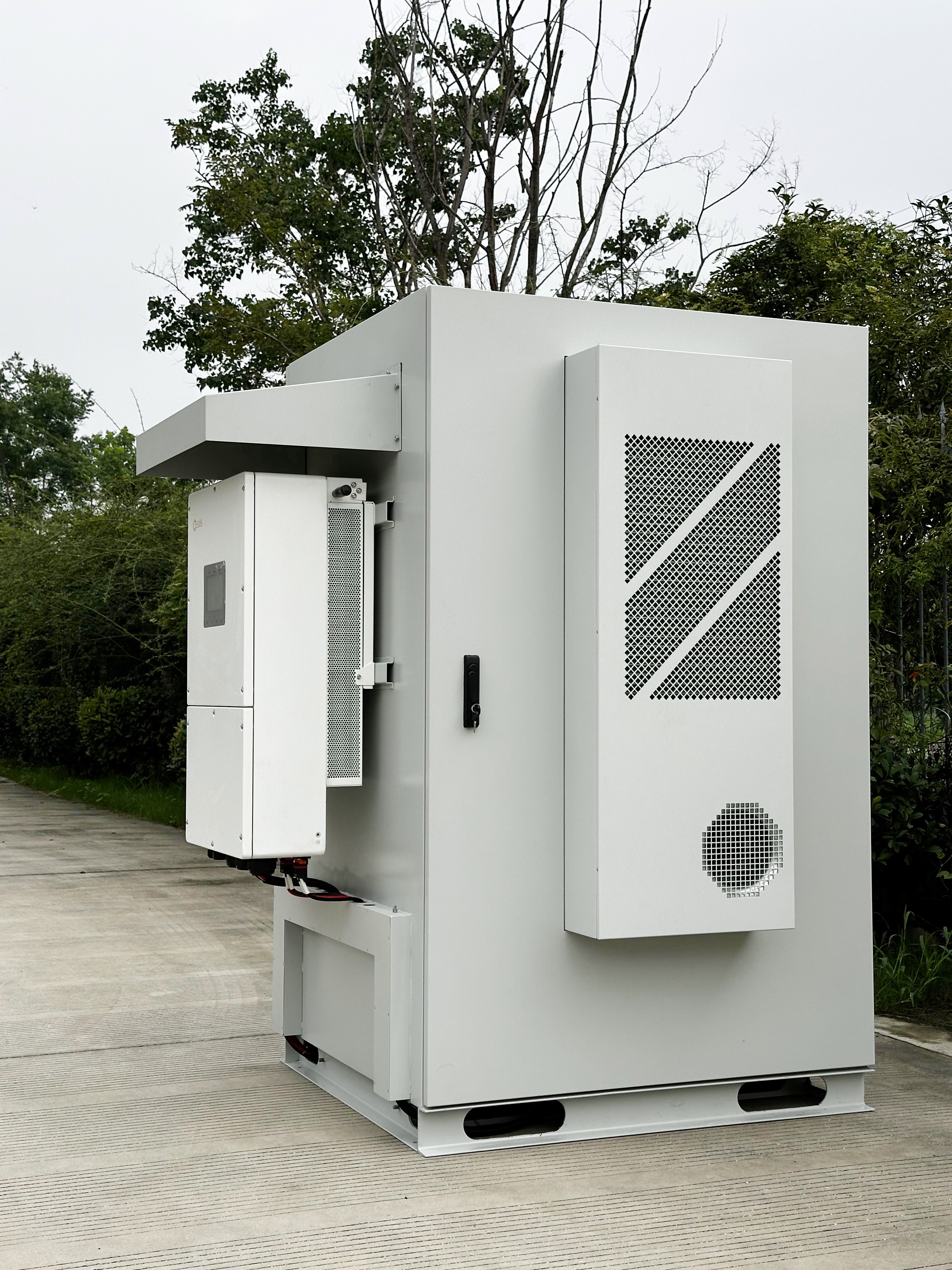
Figure 6 - Sample validation and volume orders ship under EXW, FOB or CIF terms, with pre-shipment testing as the acceptance criterion.

Next step
If you are specifying a home backup system and want to compare a 48 V and a 51.2 V build against your own load list, VLAND can supply a matched inverter and battery set at a minimum order quantity of 1 unit, with pre-shipment testing as the acceptance criterion and EXW, FOB or CIF delivery terms.
Contact: inn@v-land.ltd | Phone: +8653288509986 | Mobile and WhatsApp: +8613001690010 | Qingdao, China | www.v-landenergy.com
Download the full product range: VLAND product brochure (PDF).
Have Questions or Need More Details?
Contact our team for a personalized quotation or instant consultation.
Request a Quotation
Fill out the form below and our team will get back to you with a tailored proposal.
WhatsApp Direct Chat
Prefer to chat in real-time? Message us on WhatsApp for instant assistance & quick answers.
- Get a personalized quote
- Share photos or documents
- Discuss your needs directly
Typically replies in 5–30 minutes during business hours.