
How to Build Your Own DIY Solar Kit for Home: A Step-by-Step Guide to Energy Independence with VLAND Components
Your DIY Journey to a Home Solar Power System Starts Here
With rising electricity costs and a growing desire for energy resilience, more homeowners are considering taking control of their power. Building your own Solar Kit for Home is an empowering project that can lead to significant savings and a reduced carbon footprint. While professional installation is always recommended for complex grid-tied systems, a well-planned DIY approach for a basic Off Grid Solar Power System or a supplemental setup is entirely feasible. This guide will walk you through the essential steps, key components, and considerations, highlighting how quality products from integrated providers like VLAND can simplify your project.
Step 1: Assess Your Energy Needs and Goals
Before purchasing a single panel, you must define what you want your Home Solar Energy Storage system to achieve.
- Objective: Is it for emergency backup, to power a shed/cabin, or to offset daily household consumption?
- Energy Audit: List the appliances you want to power and their wattage. Calculate your daily Watt-hour (Wh) consumption. For a full Home Energy Storage solution, this audit is crucial.
- System Type: Decide between:
- Off-Grid: Completely independent. Requires a larger battery bank (Solar Battery Storage System) and often a generator backup.
- Grid-Tied with Backup: Connects to the utility grid but can power essential loads during an outage. This typically involves a more complex All in one solar inverter and battery unit with automatic switching.
- Supplemental: Powers specific circuits or devices, like an RV or a well pump.
Step 2: Understand the Core Components of a Solar Energy System
A functional SOLAR ENERGY STORAGE SYSTEM comprises several key parts:
- Solar Panels (PV Modules): Convert sunlight into DC electricity. Efficiency and durability matter.
- Charge Controller: Regulates the voltage and current from the panels to the batteries, preventing overcharging. MPPT types are more efficient than PWM.
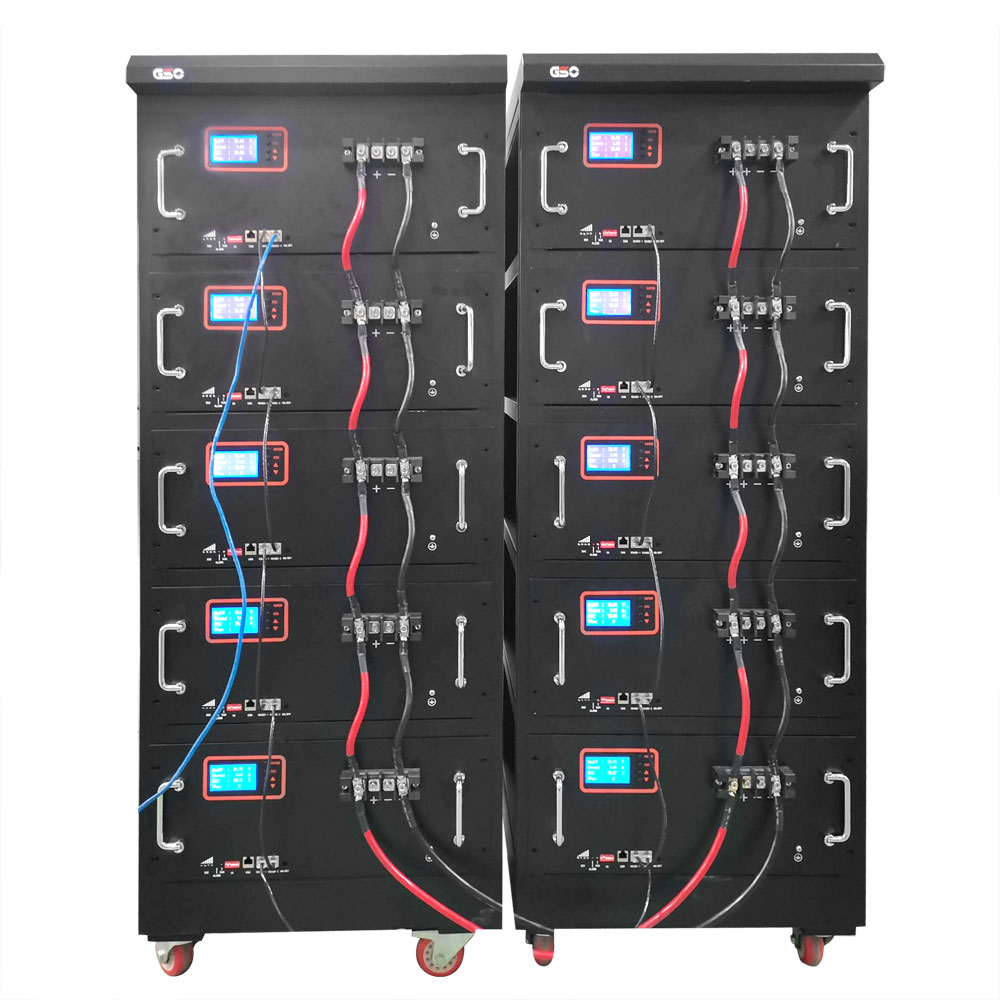
- Battery Bank (The Heart of Storage): Stores the generated energy for use when the sun isn't shining. Lithium-ion batteries, like those used in VLAND's Energy Storage System (ESS), offer longer lifespan, deeper discharge cycles, and better energy density than traditional lead-acid.
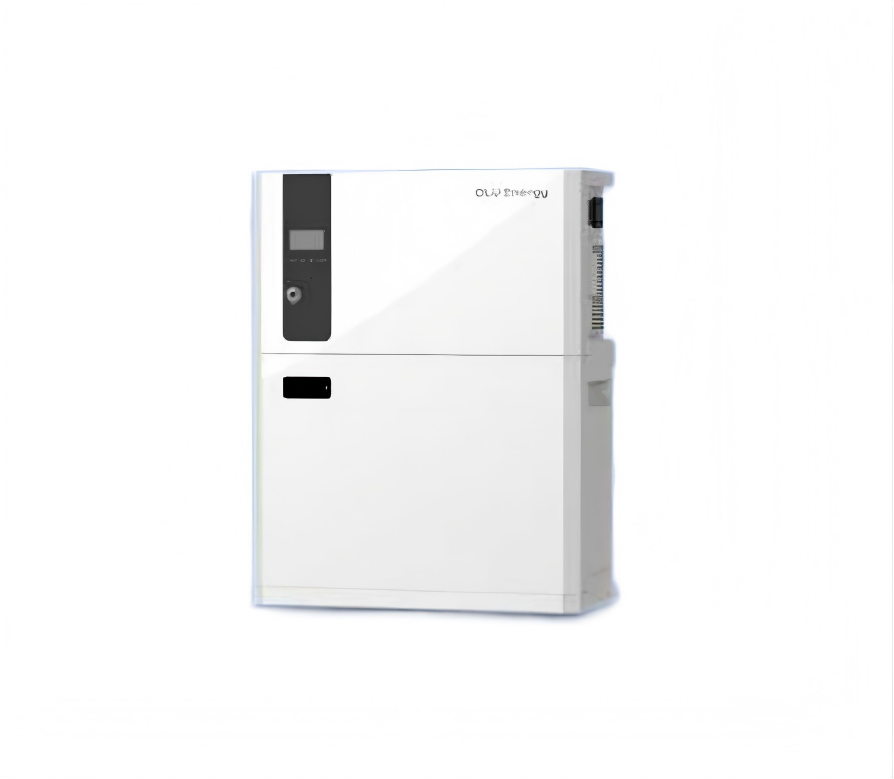
- Inverter: Converts the stored DC electricity from the batteries into usable AC electricity for your home appliances. For DIYers, an All in one solar inverter and battery unit, which integrates the inverter, charge controller, and sometimes the battery into one compact system, dramatically simplifies wiring and installation. VLAND specializes in these intelligent, space-saving solutions.
- Balance of System (BOS): Wiring, fuses, breakers, mounting hardware, and monitoring systems. Safety here is non-negotiable.
Step 3: Sizing Your System and Selecting Components
This is the most technical step. Use your energy audit from Step 1.
- Solar Array Size: Based on your daily Wh needs and local sun hours. Formula: (Daily Wh usage) / (Sun hours) / (System efficiency factor) = Total Panel Watts needed.
- Battery Bank Capacity: Determines how long you can run without sun. Formula: (Daily Wh usage) x (Days of autonomy desired) / (Battery Depth of Discharge) = Total Battery Wh needed. VLAND's Home Solar Energy Storage batteries are designed for high cycle life, making them ideal for daily use.
- Inverter Size: Must handle the simultaneous startup (surge) watts of all appliances you might run at once. Always add a 20-25% buffer.
Pro Tip for DIYers: Instead of sourcing each component separately, consider a pre-engineered kit or a modular system from a trusted supplier. VLAND international ltd, as a solar and storage systems integrator, offers scalable solutions. Their All in one solar inverter and battery products reduce compatibility headaches and come with technical support, which is invaluable for a first-time project.
Step 4: Procurement and Safety Certifications
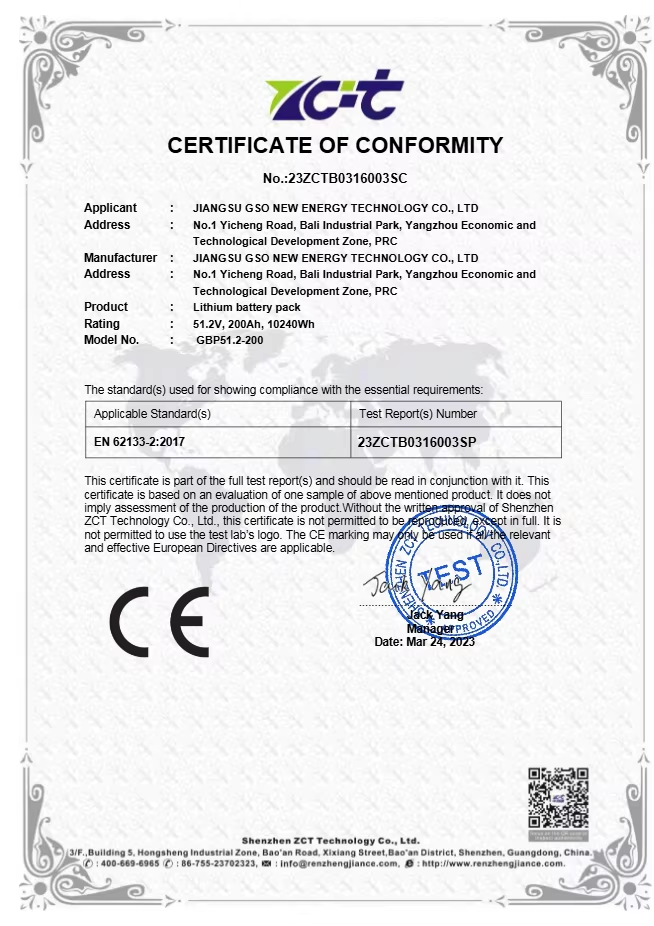
Quality and safety are paramount. When selecting components, especially batteries and inverters, look for international certifications. VLAND products carry TUV, CE, IEC certifications, ensuring they meet rigorous safety and performance standards. These are not just stickers; they are your assurance of a reliable and safe Solar Power System.
Step 5: Installation, Wiring, and Commissioning
Warning: Electricity is dangerous. If you are not confident, hire a licensed electrician, especially for grid connection and final hookup to your home's main panel.
- Mounting: Securely install solar panels on a roof, ground mount, or pergola, facing optimal sun exposure.
- Wiring: Follow wiring diagrams meticulously. Use correct wire gauges for current. Install DC and AC disconnects and overcurrent protection (fuses/breakers) as per code.
- Battery Setup: If using a VLAND Energy Storage System (ESS), follow their manual for connecting battery modules. Lithium systems often have built-in Battery Management Systems (BMS) for safety.
- Inverter/All-in-One Unit: Mount in a cool, dry, ventilated location. Connect batteries, solar panels, and AC output in the correct sequence.
- Commissioning: Power on the system step-by-step. Configure settings via the display or app. Test the system with a small load first.
Step 6: Monitoring, Maintenance, and Optimization
Your DIY Solar Kit for Home is now operational! Modern systems like those from VLAND often include smart monitoring platforms. Use this data to understand your energy production and consumption patterns.
- Maintenance: Keep panels clean. Periodically check connections for tightness and corrosion. Monitor battery state of charge.
- Optimization: You may find you can shift more loads to solar power. The goal of a true Home Energy Storage system is to maximize self-consumption of your solar energy.
Why VLAND Components Simplify the DIY Solar Journey
For over a decade, VLAND international ltd has been a green energy solutions provider, focusing on system integration. For the DIY enthusiast or professional installer, this focus translates into significant advantages:
- Integrated Design: Their All in one solar inverter and battery solutions minimize component count and wiring complexity.
- Scalability: Need to expand later? VLAND's modular Solar Battery Storage System and Energy Storage System (ESS) products are designed for easy capacity increases.
- Certified Safety: With CE, TUV, IEC certifications, you build on a foundation of safety.
- Technical Support: As a company with deep R&D and project team expertise, they provide the guidance needed to ensure your project's success, from design to after-sales service.
Building your own Solar Energy System is a rewarding project that brings you closer to energy independence. By planning carefully, prioritizing safety, and choosing high-quality, integrated components from reputable manufacturers like VLAND, you can create a reliable and efficient Home Solar Energy Storage solution that powers your home for years to come.
Ready to start your project? Explore VLAND's range of Solar Kits for Home, All-in-One Solar Inverter and Battery units, and modular Energy Storage Systems. Contact their team for a customized consultation to match components to your specific needs.
VLAND International Ltd.
Phone/WhatsApp: +8613001690010
Email: inn@v-land.ltd
Website: https://www.v-landenergy.com/
Address: Shandong Qingdao Jimo Room 316, 3rd Floor, West Annex Building, No. 6 Liuhaohe 3rd Road, Chaohai Subdistrict
Have Questions or Need More Details?
Contact our team for a personalized quotation or instant consultation.
Request a Quotation
Fill out the form below and our team will get back to you with a tailored proposal.
WhatsApp Direct Chat
Prefer to chat in real-time? Message us on WhatsApp for instant assistance & quick answers.
- Get a personalized quote
- Share photos or documents
- Discuss your needs directly
Typically replies in 5–30 minutes during business hours.