
How to Select, Install, and Optimize Your All-in-One Solar Inverter and Battery System: A Comprehensive Guide by VLAND
Your Complete Guide to Mastering All-in-One Solar Energy Storage Systems
The global shift towards energy independence is accelerating, and at the heart of this movement is the All in one solar inverter and battery. This integrated solution combines the brains (inverter) and the brawn (battery) of a Solar Energy Storage System into a single, sleek unit, simplifying adoption for homeowners and businesses alike. As a leading solar and storage systems integrator, VLAND has witnessed firsthand the confusion that can surround selecting and deploying these systems. This guide is designed to demystify the process, from initial assessment to long-term optimization, empowering you to make informed decisions for your Home Energy Storage or Industrial Solar Energy Storage System project.
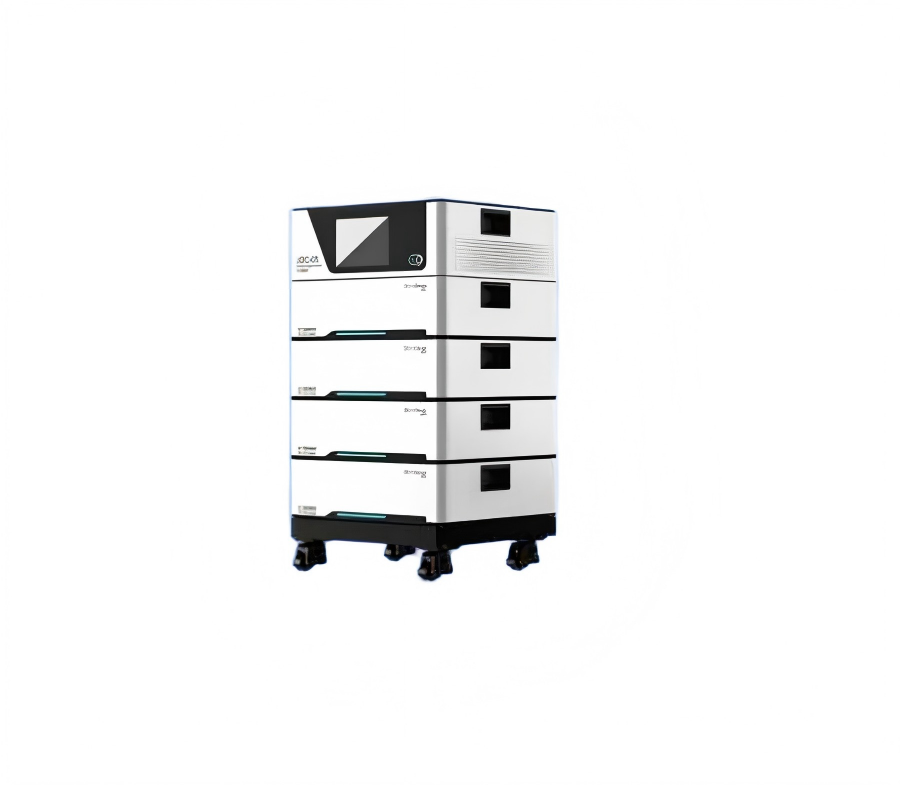
Figure 1: A modern VLAND All-in-One unit, showcasing its compact and integrated design.
Part 1: Understanding the All-in-One Advantage
Before diving into the "how-to," it's crucial to understand the "why." An All in one solar inverter and battery differs from traditional setups where components are separate.
- Simplified Design & Installation: Fewer components mean fewer connections, reducing installation time, complexity, and potential points of failure. This is a major benefit for a Solar Kit for Home.
- Space Efficiency: The unified enclosure takes up less physical space, a key consideration for residential garages or commercial sites.
- Enhanced Communication: With inverter and battery management system (BMS) co-engineered, you get seamless communication for optimal performance, safety, and lifespan.
- Scalability: Many systems, like those from VLAND, are designed to be modular. You can often start with a base unit and add external battery packs later to expand your Energy Storage System (ESS) capacity.
This integrated approach is revolutionizing both Home Solar Energy Storage and larger-scale deployments, making clean energy more accessible.
Part 2: The Step-by-Step Selection & Installation Process
Step 1: Assess Your Energy Needs
This is the most critical step. An undersized system won't meet your needs, while an oversized one is an unnecessary capital outlay.
- Analyze Consumption: Review your electricity bills to find your average daily kWh usage. Identify peak usage times.
- Define Your Goals: Are you aiming for Off Grid Solar Power System independence, or primarily backup power and load shifting (using stored solar energy during expensive peak-rate hours)?
- Future-Proofing: Plan for future electric vehicle (EV) charging or home additions. A scalable VLAND system can accommodate this growth.
Step 2: Choose the Right System Specifications
Based on your assessment, focus on these key specs when evaluating an All in one solar inverter and battery:
| Specification | What It Means | VLAND Consideration |
|---|---|---|
| Continuous Power Output (kW) | The total load the system can power at once. | Ensure it covers your simultaneous appliance loads (e.g., AC, fridge, well pump). |
| Usable Battery Capacity (kWh) | The amount of energy you can actually use from the battery. | VLAND systems use high-quality LiFePO4 cells for long cycle life and true capacity. |
| PV Input Voltage & Current | Compatibility with your existing or planned solar panels. | Our team provides customized system design to ensure perfect panel-inverter matching. |
| Grid Interaction & Off-Grid Capability | Can it feed back to the grid? Can it run independently? | VLAND solutions offer flexible modes: grid-tie, backup, and full off-grid for true energy independence. |
Step 3: Professional Site Survey and Design
Never skip this step. A qualified installer or the provider's engineering team should visit your site. VLAND, as a provider of end-to-end services, emphasizes this phase to assess:
- Optimal location for the unit (cool, dry, ventilated, and accessible).
- Electrical panel compatibility and necessary upgrades.
- Pathways for conduit runs from solar panels and to critical loads.
- Local permitting and utility interconnection requirements.
This is where a provider's experience as a green energy solutions provider truly shines, avoiding costly mistakes.
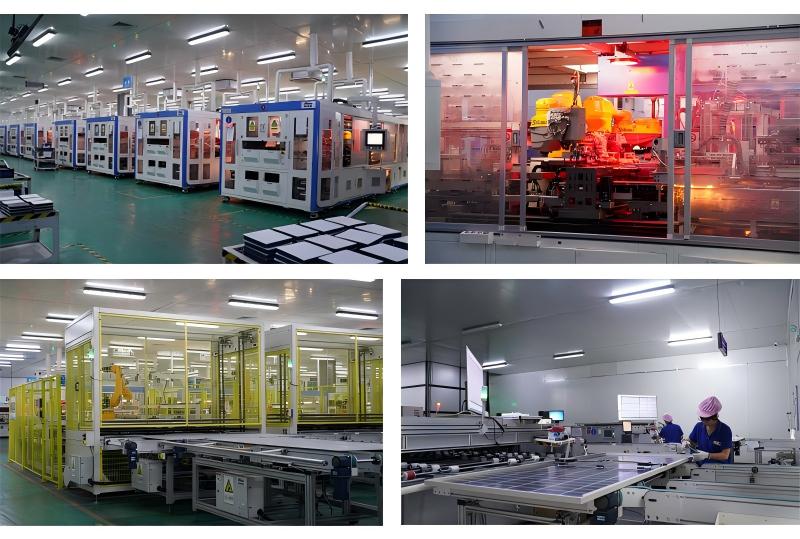
VLAND's professional project team ensures every installation is backed by extensive industry experience.
Step 4: Installation and Commissioning
While specific steps vary, a professional installation for a Solar Battery Storage System generally follows this sequence:
- Mounting: Securely mount the all-in-one unit to a wall or stable surface.
- Electrical Connections: This is high-voltage work and must be done by a licensed electrician.
- Connect the DC input from the solar panels.
- Connect the AC output to your home's critical load panel or main panel.
- Connect to the grid (if applicable).
- System Configuration: Using the touchscreen or companion app, configure system settings like operation mode, charging priorities, and grid sell parameters (if allowed).
- Testing & Commissioning: The installer will test all functions: grid charging, solar charging, battery discharge, and the transition to backup mode during a simulated grid outage.
Providers like VLAND offer comprehensive EPC installation and support to ensure a smooth process.
Part 3: Operation, Optimization, and Maintenance
Your system is now live! Here’s how to get the most from your Home Energy Storage investment.
Mastering the Intelligent Energy Management Platform
Modern systems are smart. The VLAND intelligent energy management platform (accessible via app) is your control center. Use it to:
- Monitor Performance: Track real-time and historical solar production, home consumption, battery level, and grid import/export.
- Set Schedules & Modes: Program the system to charge from solar or grid during off-peak hours and discharge during peak hours to maximize savings.
- Receive Alerts: Get notified about system status, errors, or maintenance needs.
Routine Maintenance for Longevity
An All in one solar inverter and battery is largely maintenance-free, but proactive care extends its life.
- Keep It Clean and Ventilated: Ensure air vents are not blocked by dust or objects.
- Software Updates: Periodically update the system firmware via the app to benefit from performance improvements and new features.
- Visual Inspections: Occasionally check for any warning lights, unusual noises, or physical damage.
- Professional Check-up: Consider an annual inspection by a certified technician to check electrical connections and system health.
With products holding TUV, CE, IEC certifications, VLAND systems are built for reliability and safety, giving you peace of mind.
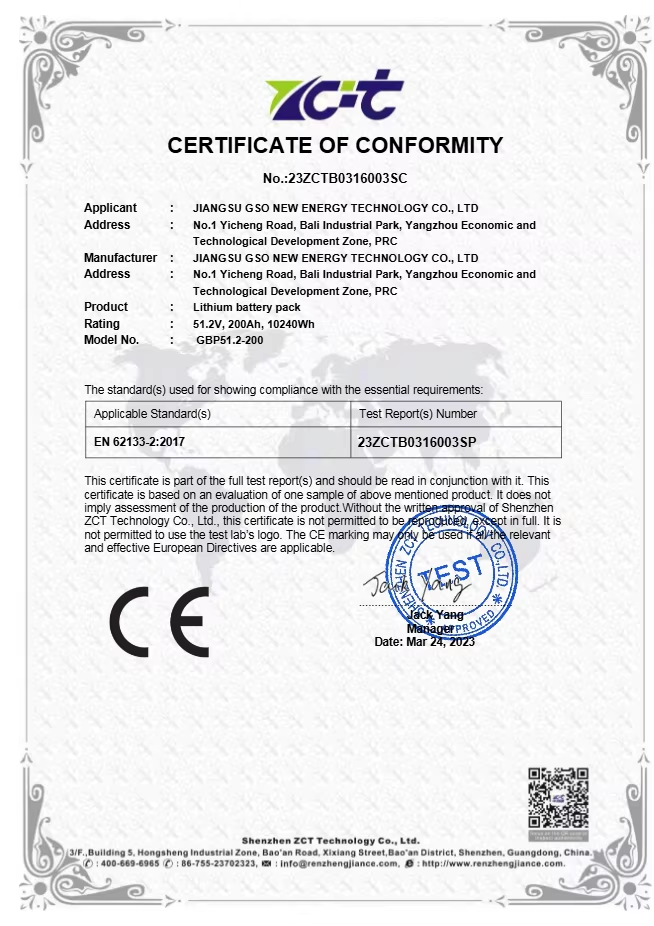
International certifications like CE are a mark of quality and compliance for global markets.
Conclusion: Partnering for a Sustainable Future
Implementing an All in one solar inverter and battery is a significant step towards energy independence, cost savings, and sustainability. By following this guide—from careful needs assessment through professional installation to smart optimization—you can ensure your Solar Power System delivers maximum value for years to come.
As a renewable energy specialist founded in 2013, VLAND international ltd is committed to more than just selling products. We are your partner in building a greener, more sustainable future. Our one-stop green energy solutions, backed by over a decade of expertise and a commitment to competitive price without compromising quality, are designed to make your transition to clean energy seamless and successful.
Ready to start your journey? Contact the VLAND team today for a personalized consultation. Our experts can help you design the perfect Solar Energy Storage System for your home or business.
Phone/WhatsApp: +86 13001690010
Email: inn@v-land.ltd
Website: https://www.v-landenergy.com/
Have Questions or Need More Details?
Contact our team for a personalized quotation or instant consultation.
Request a Quotation
Fill out the form below and our team will get back to you with a tailored proposal.
WhatsApp Direct Chat
Prefer to chat in real-time? Message us on WhatsApp for instant assistance & quick answers.
- Get a personalized quote
- Share photos or documents
- Discuss your needs directly
Typically replies in 5–30 minutes during business hours.