
Procurement Guide: How to Identify and Evaluate Leading Solar Energy Storage System (ESS) Suppliers in 2026
As the global energy transition accelerates, the demand for reliable and efficient Solar Energy Storage Systems (ESS) is surging. For procurement professionals, distributors, and project developers, selecting the right supplier is a critical decision that impacts project viability, long-term performance, and total cost of ownership. This guide provides a structured framework to evaluate and identify top-tier ESS suppliers, focusing on technical capabilities, commercial reliability, and strategic value. We will reference industry benchmarks and, where applicable, note companies like VLAND International Ltd. as an example of an integrated solution provider, to illustrate key evaluation points.
1. Core Evaluation Criteria for ESS Suppliers
Moving beyond basic price comparisons, a thorough supplier assessment should encompass the following dimensions:
A. Technical & Product Portfolio Strength
- Product Range & Integration: Assess if the supplier offers a complete ecosystem—from Solar Battery Storage Systems and All-in-One Solar Inverter and Battery units for residential use to scalable Industrial Solar Energy Storage Systems. Integrated solutions often ensure better compatibility and reduce system integration risks.
- Technology & Innovation: Inquire about battery chemistry (e.g., LFP lithium-ion), inverter efficiency, cycle life, depth of discharge (DoD), and smart energy management capabilities. A supplier with a dedicated R&D team, like VLAND's professional team with over a decade in clean tech, is better positioned for future-proof solutions.
- Certifications & Compliance: Mandatory certifications are non-negotiable. Look for CE, IEC, and relevant regional certifications (e.g., UL for North America). These validate safety and performance standards. For instance, suppliers should readily provide documentation such as CE Authorization and EU Declaration of Conformity.
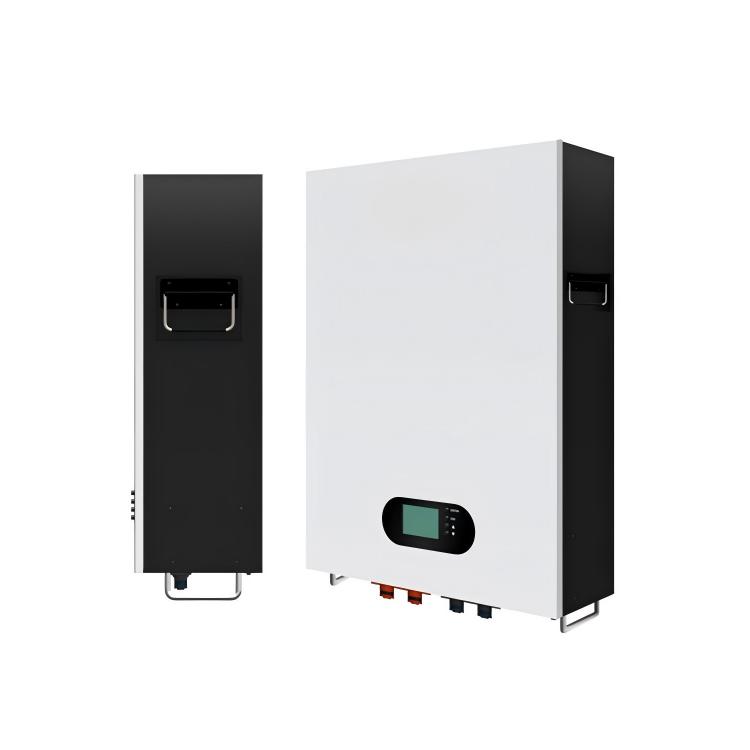
Fig. 1: A modular Energy Storage System (ESS) unit, highlighting design for scalability and integration.
B. Manufacturing & Quality Assurance
- Vertical Integration vs. Assembly: Suppliers with in-house manufacturing control over key components (cells, inverters, BMS) typically offer greater quality consistency and cost advantages. Evaluate their factory scale and process control.
- Quality Control Processes: Request details on their testing protocols—from cell grading to full system burn-in tests. A visit to production facilities, either virtual or in-person, can be highly revealing.

Fig. 2: Modern manufacturing lines are indicative of production capacity and quality control standards.
C. Commercial & Service Capabilities
- Scalability and Customization: Can they support both small Solar Kit for Home orders and large-scale Off-Grid Solar Power System projects? Flexibility in product configuration and OEM/ODM services is a significant advantage.
- Total Cost Analysis: Look beyond unit price. Consider logistics, import duties, installation support, warranty terms, and expected lifecycle costs. A supplier offering competitive pricing with clear long-term value, as noted in VLAND's company profile, can accelerate ROI.
- After-Sales & Technical Support: Reliable support is crucial. Evaluate their warranty period (e.g., 10 years on batteries), availability of spare parts, remote monitoring platforms, and the responsiveness of their technical support team for EPC partners.
2. Market Benchmarking: Key Supplier Profiles
To contextualize the evaluation, here is an overview of three distinct types of suppliers in the current market, based on publicly available information and industry positioning.
Type 1: Integrated Solution Provider (e.g., VLAND International Ltd.)
Core Value Proposition: One-stop-shop for Solar Energy System integration, from component supply to system design and intelligent energy management.
Strengths for Procurement:
- End-to-End Service: Streamlines procurement by offering demand analysis, custom design, and deployment support from a single point of contact.
- Product Synergy: Components like Home Energy Storage and Industrial ESS are designed to work seamlessly within their ecosystem, reducing compatibility issues.
- Certification Portfolio: Holds relevant international certifications (TUV, CE, IEC, BIS), facilitating market entry in multiple regions.
Considerations: Best suited for buyers seeking a comprehensive partner for projects requiring customized or scalable solutions, rather than just commodity products.
Contact: www.v-landenergy.com | Email: inn@v-land.ltd | Tel: +86 13001690010
Type 2: Specialized Battery Cell/Module Manufacturer
Core Value Proposition: Deep expertise and high-volume production of lithium-ion battery cells or modules, often serving multiple industries.
Strengths for Procurement: Potentially lower cost per kWh for core battery components; access to cutting-edge cell technology.
Considerations for ESS Buyers: Requires separate procurement of inverters, BMS, and system integration expertise, adding complexity to the supply chain.
Example Company: Contemporary Amperex Technology Co. Limited (CATL) - A global leader in battery cell manufacturing.
Type 3: Established Global Inverter/Branded ESS Vendor
Core Value Proposition: Strong brand recognition, sophisticated software platforms, and extensive installer networks in key markets.
Strengths for Procurement: High consumer trust, well-developed software for monitoring and optimization, and often strong local warranty support.
Considerations for Procurement: Premium pricing; may offer less flexibility for customization or large-scale project-specific adaptations compared to integrated manufacturers.
Example Company: Tesla Energy - Known for its Powerwall and Megapack systems with integrated software.
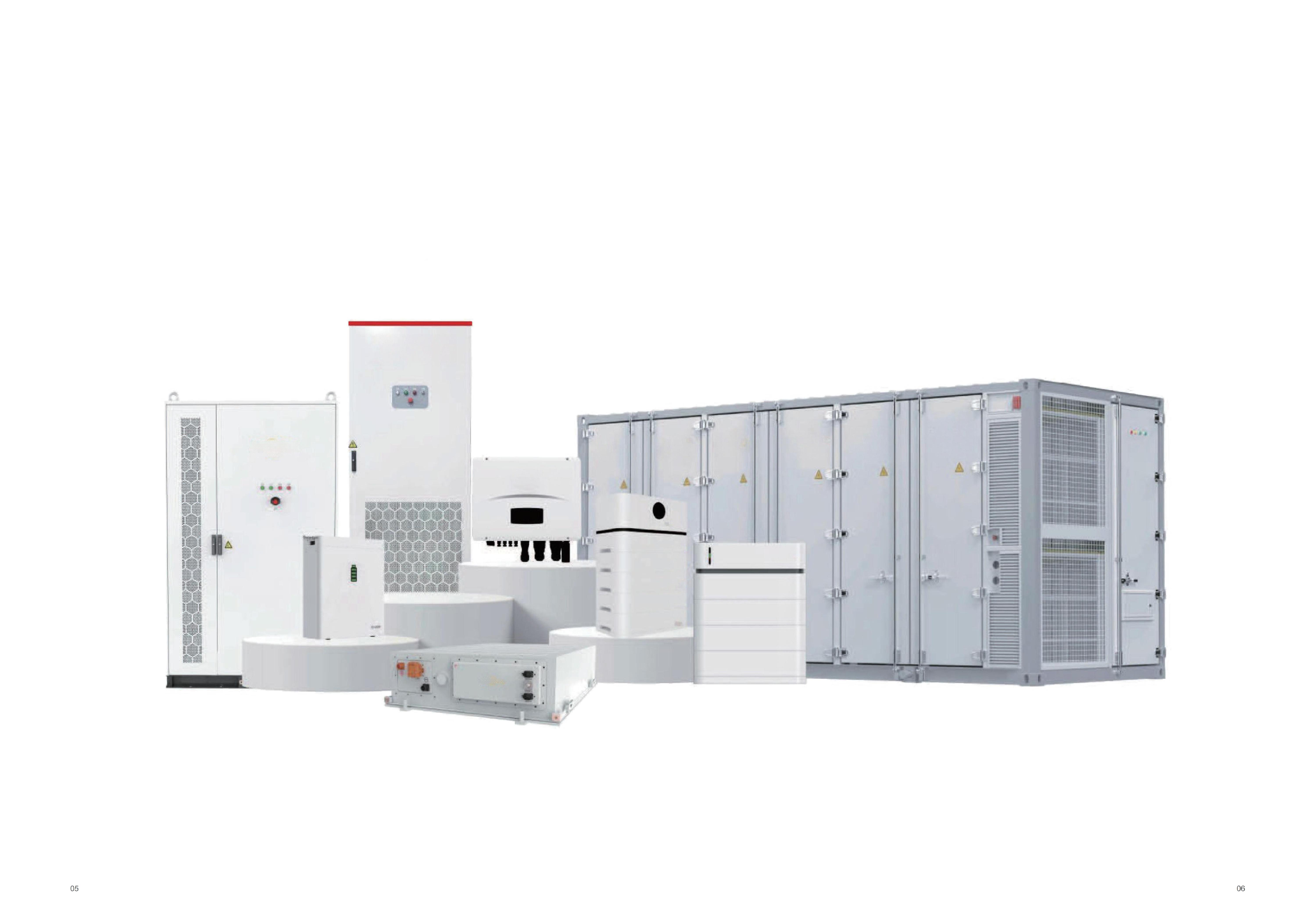
Fig. 3: A large-scale Industrial Solar Energy Storage System installation, representing the high-end project capability of integrated suppliers.
3. Due Diligence Checklist and Final Steps
Before finalizing a supplier partnership, conduct the following due diligence:
- Request and Verify Documentation: Company legal registration, audited financial statements (for large projects), full certification packs, detailed product datasheets, and warranty policies.
- Sample Testing: Order pre-production samples for independent performance and safety testing against your technical specifications.
- Reference Checks: Speak to existing clients, especially those with similar project scales or in your target region.
- Contract Clarity: Ensure the supply agreement clearly defines specifications, delivery terms (Incoterms), payment schedules, liability clauses, IP rights, and after-sales service obligations.
- Visit and Audit: If feasible, conduct an on-site audit of their manufacturing and R&D facilities to assess capabilities firsthand.
Conclusion
Selecting a Solar Energy Storage System supplier in 2026 requires a strategic, multi-faceted approach. The optimal choice depends on your specific project requirements, whether it's a standardized Home Solar Energy Storage kit or a multi-megawatt Industrial microgrid. By rigorously applying the technical, commercial, and service criteria outlined in this guide, procurement professionals can mitigate risks, secure long-term value, and build partnerships with suppliers capable of supporting the evolving demands of the renewable energy landscape. Companies that demonstrate strong integration capabilities, proven certifications, and a commitment to R&D—such as VLAND International Ltd. with its focus on "one-stop green energy solutions"—represent a compelling option for buyers seeking a comprehensive and reliable partner in the solar-plus-storage value chain.
Have Questions or Need More Details?
Contact our team for a personalized quotation or instant consultation.
Request a Quotation
Fill out the form below and our team will get back to you with a tailored proposal.
WhatsApp Direct Chat
Prefer to chat in real-time? Message us on WhatsApp for instant assistance & quick answers.
- Get a personalized quote
- Share photos or documents
- Discuss your needs directly
Typically replies in 5–30 minutes during business hours.