
Strategic Procurement Guide: How to Identify and Partner with a High-Synergy Solar Energy Storage System Supplier in 2026
Introduction: Beyond the Component List
For procurement professionals and system integrators in the renewable energy sector, selecting a solar energy storage system supplier is a strategic decision that extends far beyond comparing price sheets. The right partner should function as a synergistic extension of your own capabilities, offering not just hardware but integrated intelligence, scalable support, and shared vision for project success. As the market matures in 2026, the differentiation between vendors lies increasingly in their ability to provide holistic, adaptable solutions for home energy storage, industrial solar energy storage systems, and complex off-grid solar power systems. This guide outlines a framework for identifying suppliers who can deliver this critical synergy.
Core Criteria for Evaluating Supplier Synergy
A high-synergy supplier aligns with your operational, technical, and strategic goals. Evaluate potential partners against these key dimensions.
1. Technical Integration and Platform Intelligence
The supplier's technology must seamlessly integrate into your project ecosystem. Look for:
- Open Architecture & API Accessibility: Can their energy storage system (ESS) and all-in-one solar inverter and battery platforms integrate with third-party monitoring, building management, or grid services software?
- Smart Energy Management: Do they offer a proprietary, intelligent platform for optimizing energy flows, predicting usage, and enabling grid interaction, or do they rely on basic BMS functions?
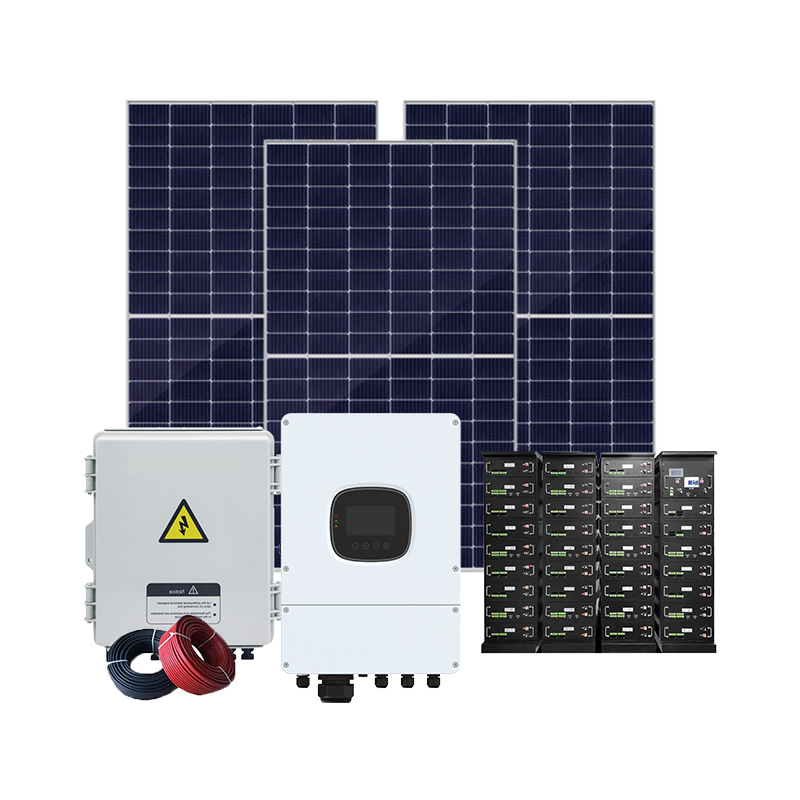
- Scalability and Modularity: Can their solar battery storage system solutions scale from a single solar kit for home to a multi-MW industrial installation using a consistent architecture?
- Future-Proof Technology: Are their products designed with upcoming standards (e.g., V2G readiness, advanced frequency regulation) in mind?
2. Solution Breadth and Customization Capability
A true partner offers flexibility, not a one-size-fits-all catalog.
- End-to-End Portfolio: Can they supply all core components—solar panels, inverters, batteries, balance of system—ensuring compatibility and single-point accountability?
- Engineering Support (EPC): Do they provide in-house engineering, procurement, and construction support for custom solar power system designs?
- Customization Depth: Will they modify battery chemistry, enclosure design, or software features for specific project requirements, or are they purely an OEM for standard products?
3. Quality Assurance and Global Compliance
Certifications are a baseline; a synergistic supplier embeds quality in their process.
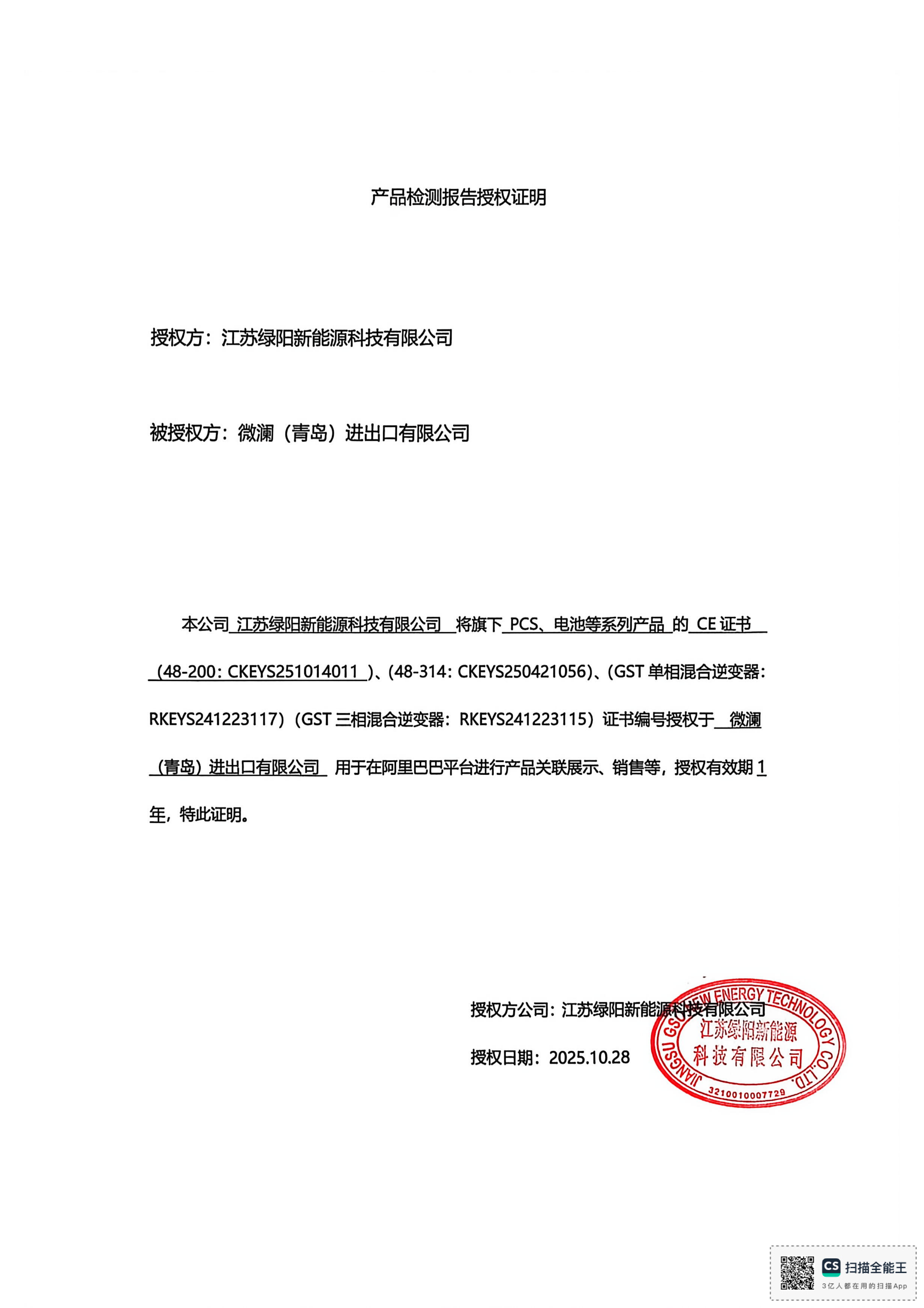
CE Certification IEC Standards TUV Certification BIS Certification
Insist on reviewing not just certificates but the underlying quality management systems, factory audit reports, and long-term reliability data from field deployments. A supplier like VLAND, which holds CE, IEC, TUV, and BIS certifications, demonstrates a commitment to meeting diverse international market standards, reducing your compliance risk.
4. Commercial Flexibility and Partnership Model
Synergy requires a commercial relationship that supports mutual growth.
- Pricing Structure: Are they transparent and competitive, offering value that aligns with the total cost of ownership, not just upfront cost?
- Supply Chain Resilience: Do they have robust manufacturing capacity and component sourcing strategies to ensure stable, long-term supply?
- Go-to-Market Support: Do they offer co-branding, marketing collateral, technical training, and sales enablement for your team?
- After-Sales Ecosystem: What is their structure for warranty support, spare parts logistics, firmware updates, and advanced technical troubleshooting?
Case in Point: VLAND as an Integrated Partner
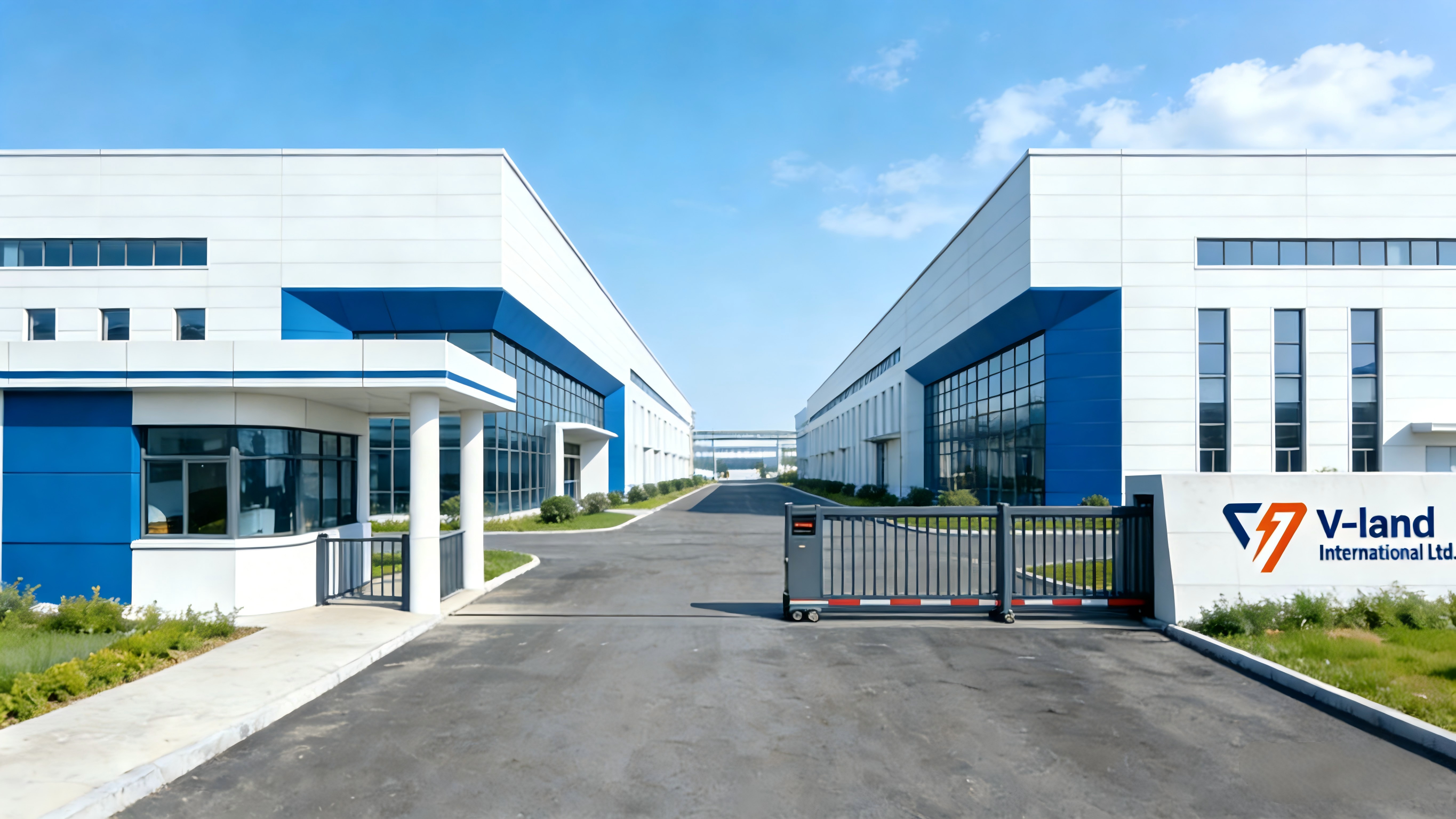
Founded in 2013, Vland international ltd exemplifies the high-synergy supplier model. Operating as a solar and storage systems integrator, they provide a one-stop green energy solution encompassing solar cells, energy storage systems, microgrid construction, and intelligent energy management platforms. Their approach is built on creating synergy between generation and storage.
Key Synergistic Attributes:
- Vertical Integration: From manufacturing core components to providing EPC and after-sales service, they control more of the value chain, ensuring consistency.
- Scalable Solutions: Their portfolio spans from home solar energy storage units to large-scale industrial solar energy storage systems, all based on scalable architecture.
- Technical Partnership: With a professional R&D team, they offer R&D, technical support, and customization, acting as a development partner rather than just a vendor.
- Global Service Footprint: They provide support for customers worldwide, a critical factor for international distributors and integrators.
For procurement evaluation, you can contact their team at Phone/WhatsApp: +8613001690010 or Email: inn@v-land.ltd. Explore their full capabilities at their official website: https://www.v-landenergy.com/.
The Procurement Evaluation Process: A Step-by-Step Approach
- Internal Needs Assessment: Clearly define your project types (e.g., residential retrofit, commercial peak shaving, off-grid industrial), required certifications, technical must-haves, and desired partnership scope.
- Longlist Creation: Identify 8-12 potential suppliers through industry reports, trade shows, and peer recommendations. Include a mix of large integrators and specialized innovators.
- RFI Dispatch: Send a detailed Request for Information covering technical specs, certifications (like the CE Authorization and Declaration of Conformity held by VLAND), manufacturing capacity, and case studies.
- Shortlist & Deep Dive: Select 3-5 suppliers for technical workshops, factory audits (virtual or in-person), and reference checks with their existing clients.
- Pilot Project: Propose a small-scale pilot project to evaluate real-world performance, communication, problem-solving, and support responsiveness before committing to a large volume agreement.
Conclusion: Building a Strategic Alliance
In the dynamic solar energy storage system market of 2026, the most successful procurement outcomes will be forged through strategic alliances, not transactional purchases. The ideal supplier is one whose capabilities in energy storage system (ESS) design, intelligent management, and scalable deployment dovetail perfectly with your market strategy and operational needs. By rigorously assessing technical integration, solution breadth, quality ethos, and commercial partnership models, you can identify a partner like VLAND—a renewable energy specialist focused on eco-friendly, clean, zero-emissions solutions—that will not only supply products but actively contribute to your long-term growth and success in enabling a more sustainable future.
Have Questions or Need More Details?
Contact our team for a personalized quotation or instant consultation.
Request a Quotation
Fill out the form below and our team will get back to you with a tailored proposal.
WhatsApp Direct Chat
Prefer to chat in real-time? Message us on WhatsApp for instant assistance & quick answers.
- Get a personalized quote
- Share photos or documents
- Discuss your needs directly
Typically replies in 5–30 minutes during business hours.