
Your Complete Buyer's Guide to Home Solar Energy Storage Systems in 2026: How to Choose the Right Solution for Energy Independence
Your Complete Buyer's Guide to Home Solar Energy Storage Systems in 2026
With rising electricity costs and a growing global push for sustainability, more homeowners are looking to take control of their energy. A Home Solar Energy Storage system is no longer a luxury but a smart investment for energy security and cost savings. However, navigating the market for a Solar Battery Storage System can be complex. This comprehensive buyer's guide, informed by the latest 2026 industry trends and insights from leading provider VLAND, will walk you through every step to make an informed decision.
1. Understanding Your Energy Needs: The First Critical Step
Before looking at products, you must audit your household's energy consumption. A Solar Energy System must be sized correctly.
- Daily Energy Usage (kWh): Check your electricity bills from the past year to find your average daily consumption.
- Peak Load & Critical Loads: Identify essential appliances (refrigerator, lights, medical equipment) you want to power during an outage. This determines the power output (kW) your Energy Storage System (ESS) needs.
- Future-Proofing: Are you planning to buy an EV or add air conditioning? Factor in future increases.
Companies like VLAND offer professional energy audits as part of their service to help customers size their Home Energy Storage solution perfectly.
2. Key Components of a Home Solar + Storage System
A complete setup involves more than just batteries.
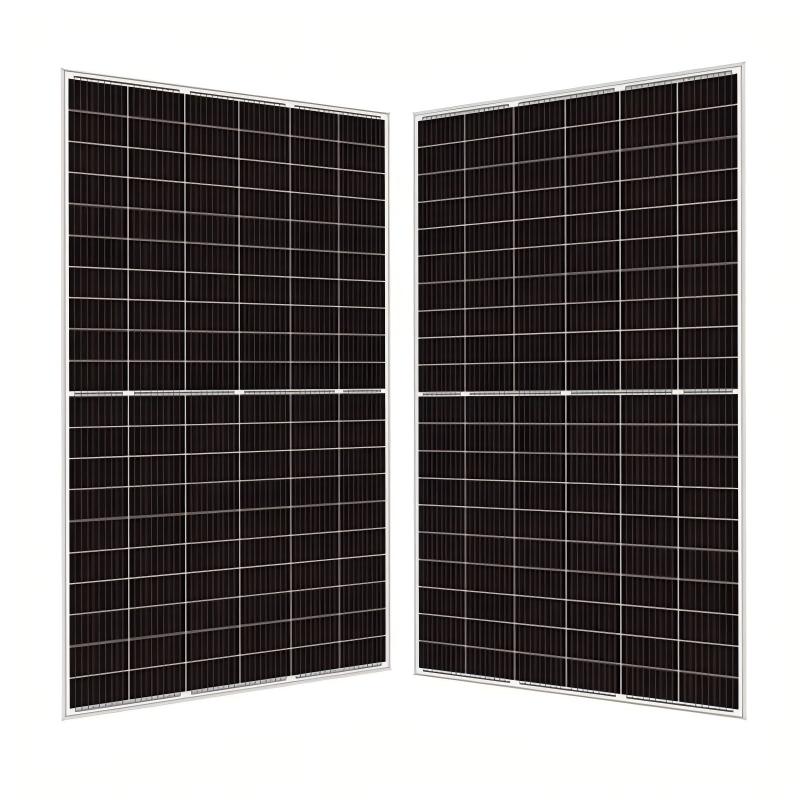
- Solar Panels: The generation source. Efficiency and warranty are key.
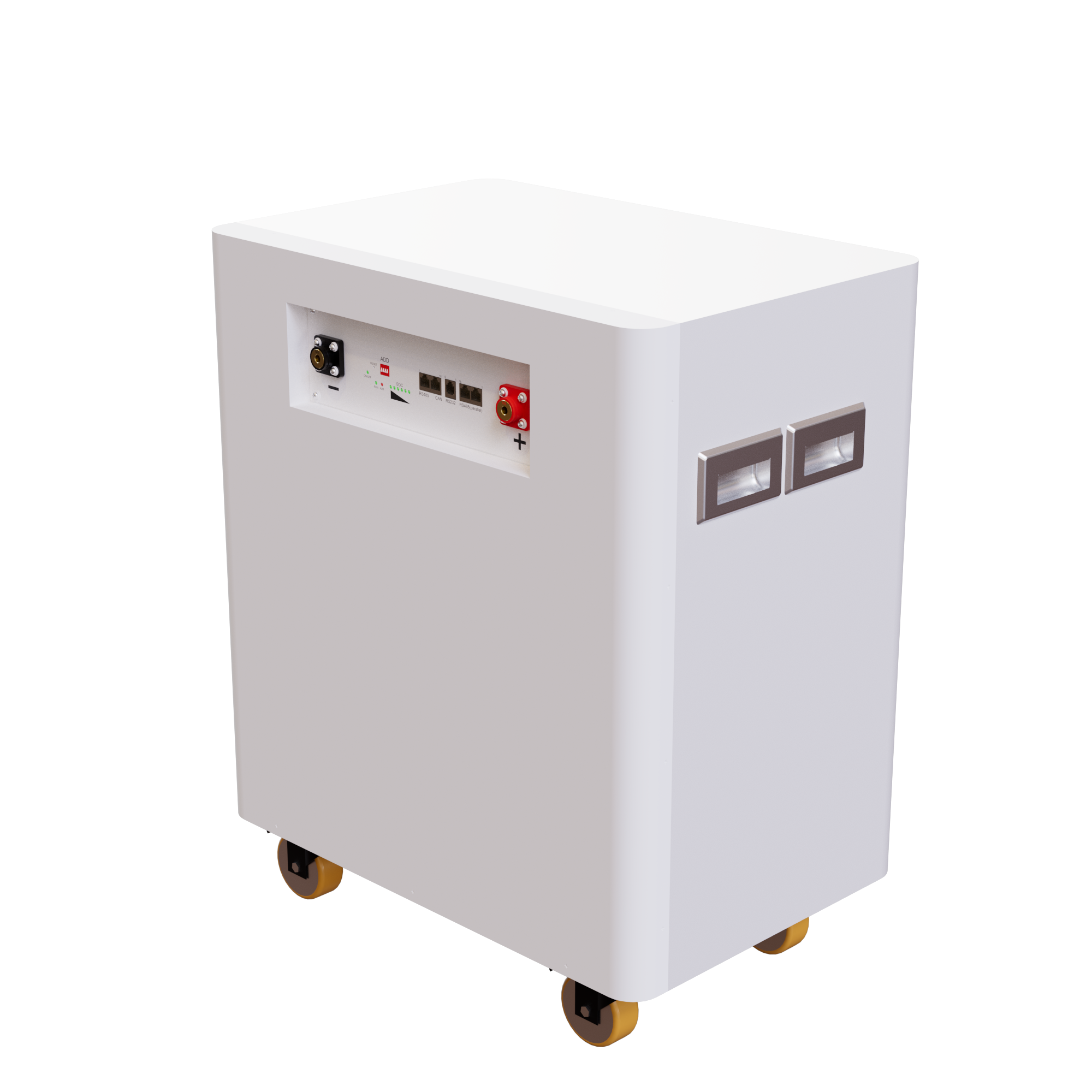
- Battery: The heart of your Solar Battery Storage System. Chemistry (LiFePO4 is leading in 2026 for safety and lifespan), capacity (kWh), and depth of discharge (DoD) are crucial specs.
- Inverter: Converts DC from panels/battery to AC for your home. A hybrid inverter manages both solar and battery.
- System Controller & Energy Management Software: The brain that optimizes energy flow, self-consumption, and can provide grid services.
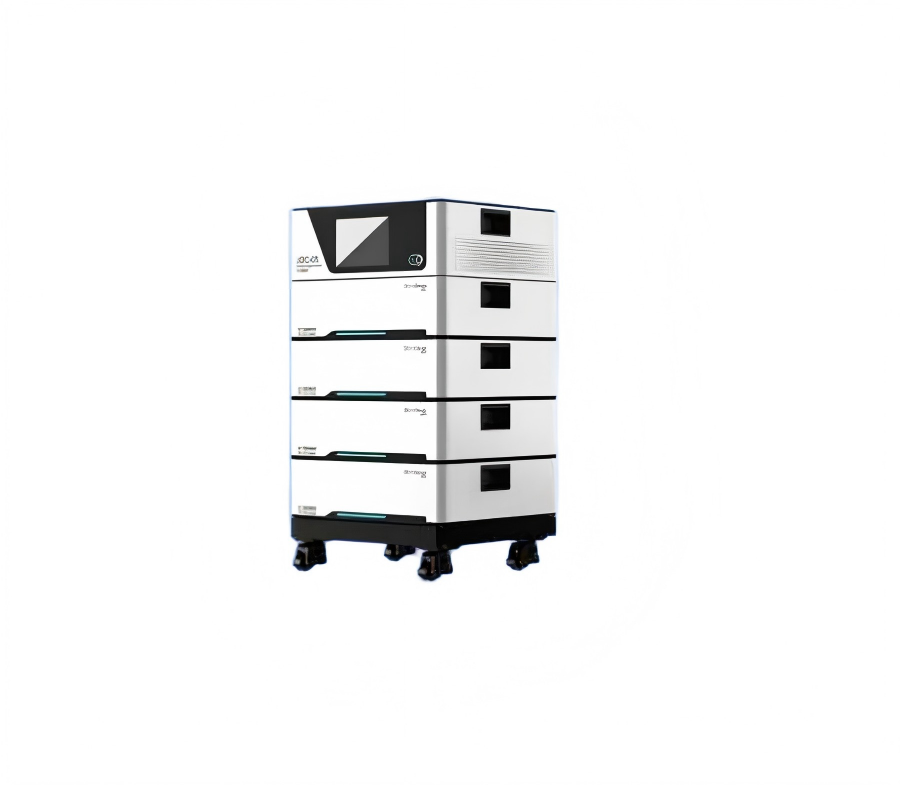
Integrated solutions like an All in one solar inverter and battery simplify installation and often offer better compatibility. VLAND's latest all-in-one units combine these components into a sleek, user-friendly package.
3. On-Grid, Off-Grid, or Hybrid? Choosing Your System Type
| System Type | Best For | Considerations |
|---|---|---|
| On-Grid with Backup | Urban/suburban homes with reliable grid, seeking bill savings and backup power. | Requires grid connection. May not work during a widespread blackout unless configured for islanding. |
| Off Grid Solar Power System | Remote cabins, farms, or locations without grid access. | Requires larger battery bank and often a backup generator. Higher initial cost. |
| Hybrid | Most homeowners wanting maximum flexibility, self-consumption, and backup. | Can intelligently switch between grid, solar, and battery. The most popular choice in 2026. |
4. Essential Features & Specifications to Compare
Don't just look at price. Dig into these technical details:
- Battery Chemistry & Cycle Life: LiFePO4 batteries, used by quality providers like VLAND, typically offer 6,000+ cycles, meaning a lifespan of 15+ years.
- Usable Capacity & DoD: A 10kWh battery with 90% DoD gives you 9kWh of usable energy. Always compare usable capacity.
- Round-Trip Efficiency: How much energy is lost during charge/discharge. Aim for >94%.
- Power Rating (Continuous & Peak): Can it run your air conditioner startup surge? A 5kW continuous / 10kW peak rating is common for homes.
- Scalability: Can you easily add more battery modules later? A modular Energy Storage System (ESS) is a future-proof choice.
- Warranty & Guaranteed End-of-Life Capacity: Look for a 10-year warranty guaranteeing at least 60-70% remaining capacity.
5. The Importance of Certifications, Safety, and Software
Safety is paramount when installing a high-energy system in your home.
- Certifications: Insist on internationally recognized certifications. Reputable manufacturers like VLAND hold CE, IEC, and other relevant marks, ensuring product safety and compliance. Always ask for the Declaration of Conformity.
- Safety Features: Look for built-in Battery Management Systems (BMS) with protection against overcharge, deep discharge, short circuit, and thermal runaway.
- Smart Software & App: A good user app allows you to monitor production, consumption, and battery status, set modes (e.g., "time-of-use" to save money), and receive alerts.
VLAND's intelligent energy management platform is a key differentiator, allowing homeowners to optimize their Solar Power System for maximum savings and convenience.
Why VLAND Stands Out in the 2026 Market
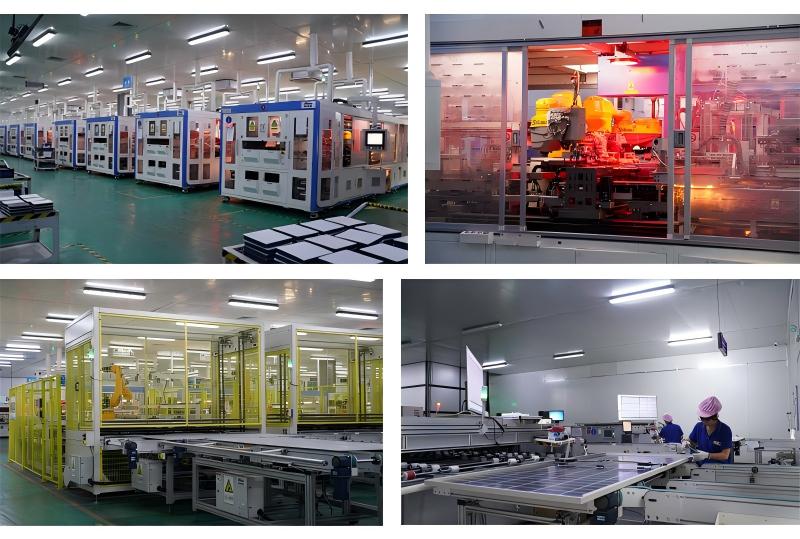
Founded in 2013, VLAND International Ltd (https://www.v-landenergy.com/) isn't just a manufacturer; they are a solar and storage systems integrator. This means they provide a true one-stop green energy solution, from custom design to after-sales support.
Their decade of expertise in clean energy generation and microgrid construction translates into robust, reliable products for the home. Their All in one solar inverter and battery solutions are designed for easy installation and seamless integration. With a professional R&D team and products backed by TUV, CE, IEC certifications, they offer a compelling mix of competitive price and proven quality. For a personalized consultation, contact their team at +86 13001690010 or inn@v-land.ltd.
6. Budgeting, Incentives, and ROI Calculation
The cost of a Home Solar Energy Storage system varies widely based on size and components.
- Upfront Cost: Includes equipment (panels, inverter, battery, mounting) and installation.
- Financial Incentives: Research national and local rebates, tax credits, or feed-in tariffs for Solar Energy Systems and storage. These can significantly reduce net cost.
- Return on Investment (ROI): Calculate based on:
- Electricity bill savings (reduced grid consumption).
- Earnings from selling excess solar back to the grid (if available).
- Increased property value.
- Value of backup power during outages.
While a complete Solar Kit for Home with storage is an investment, the long-term savings and energy independence are substantial.
7. Choosing the Right Installer and Partner
The best equipment needs expert installation. Look for:
- Licensed and insured electricians/solar installers.
- Experience with the specific battery and inverter brands.
- Strong local reputation and references.
- Clear warranties on both parts and labor.
Partnering with a company that offers end-to-end service, like VLAND, ensures accountability from design through to long-term support, making the process much smoother.
Final Checklist Before You Buy
- ✅ Completed a home energy audit.
- ✅ Understood the difference between on-grid, off-grid, and hybrid systems.
- ✅ Compared key specs: battery chemistry, usable capacity, efficiency, power rating.
- ✅ Verified product safety certifications (CE, IEC, etc.).
- ✅ Evaluated the smart software and app features.
- ✅ Calculated rough budget and researched available incentives.
- ✅ Chosen a reputable installer or full-service provider like VLAND.
- ✅ Reviewed and understood the full warranty terms.
Investing in a Home Solar Energy Storage system is a significant step towards energy autonomy, resilience, and a sustainable lifestyle. By following this guide and doing thorough research, you can select a Solar Battery Storage System that meets your needs, provides peace of mind, and delivers value for decades. The future of home energy is intelligent, integrated, and independent—start your journey today.
Ready to explore tailored solutions? Visit VLAND's official website to learn more about their comprehensive Home Energy Storage and All in one solar inverter and battery offerings.
Have Questions or Need More Details?
Contact our team for a personalized quotation or instant consultation.
Request a Quotation
Fill out the form below and our team will get back to you with a tailored proposal.
WhatsApp Direct Chat
Prefer to chat in real-time? Message us on WhatsApp for instant assistance & quick answers.
- Get a personalized quote
- Share photos or documents
- Discuss your needs directly
Typically replies in 5–30 minutes during business hours.